How to do an ultralight hike?
Hiking and spending a few days connected to nature is amazing, but carrying too much weight can turn the adventure into a huge hassle and even end it sooner than expected! How about learning to do ultralight hiking?
It is completely possible to reduce the weight of your load safely, without losing comfort and keeping all necessary actions to a minimum impact. Going ultralight hiking - also known as Ultralight Trekking (UL) - involves choosing ultralight gear that is planned and suitable for those seeking a simpler, more efficient experience in total connection with nature.
Unlike traditional hiking, where we carry various equipment and do not think much about weight reduction and multifunctionality, ultralight hiking focuses on dynamic comfort - the ease of movement while walking, maintaining safety. It is the transition from brute endurance to technical efficiency.
Unlike traditional hiking, where we carry various equipment and do not think much about weight reduction and multifunctionality, ultralight hiking focuses on dynamic comfort - the ease of movement while walking, maintaining safety. It is the transition from brute endurance to technical efficiency.
But what is ultralight trail?
Ultralight hiking is a walking philosophy, generally applied to long-distance trails, that prioritizes reducing the weight of the carried equipment without ever compromising safety. The goal is to allow you to walk many kilometers daily while reducing physical wear and tear on the body (saving the lower back, knees, and ankles) and enabling a more direct and agile connection with nature.
Technically, the "gold standard" for being considered ultralight is to keep the Base Weight below 4.5 kg - and we will talk about that later!
To understand what ultralight equipment is: it is specially developed for activities such as hiking and outdoor camping with the aim of reducing the total weight carried, prioritizing lightness, maintaining essential functionalities, and offering compact, multifunctional, and practical solutions for those seeking to be in nature with autonomy and efficiency.
Understanding the meaning of weight in ultralight trekking!
To understand the definition, it is necessary to differentiate the types of weight in ultralight trekking:
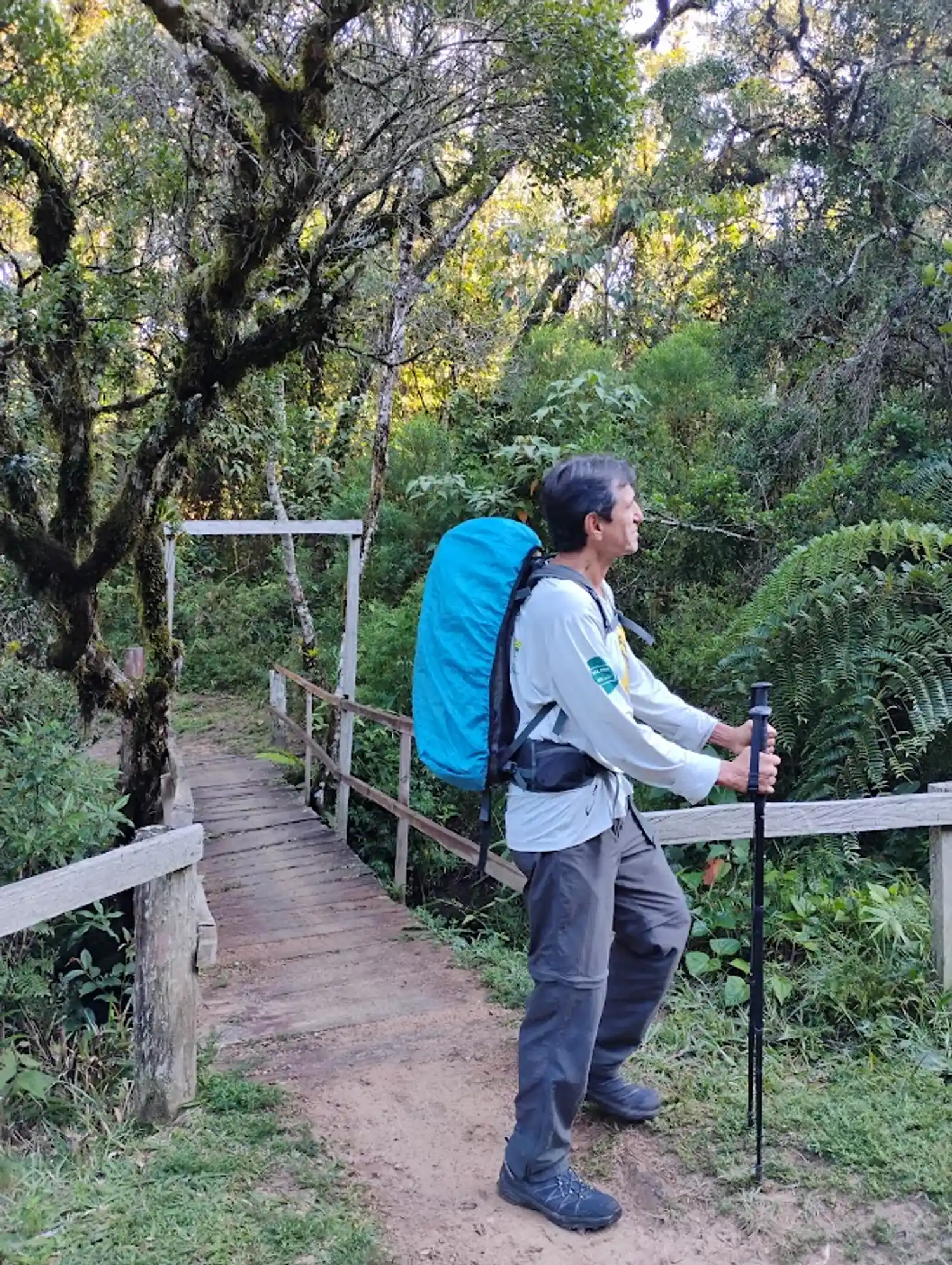
- Base Weight: This is the weight of all your gear (backpack, tent, sleeping bag, clothes, stove), excluding consumables (water, food, and fuel) and the clothes you are wearing;
- Total Weight: This is the total weight of the backpack when heading out on the trail, including water and food. In ultralight trekking, the goal is for this total to rarely exceed 9 kg for short expeditions.
Base weight is fixed, but water and food are variable and treacherous. Understanding how to reduce this weight greatly increases your chances of achieving ultralight trekking:
- Dynamic Filtration: Instead of carrying 4 liters of water, use quick filtration systems (like the Sawyer Squeeze) to collect water along the way, keeping only what is necessary for the next segment;
- Caloric Density: Prioritize foods with high caloric density per gram (nuts, olive oil, freeze-dried foods) and remove all bulky original packaging.
So how can you transition to ultralight trekking? Here are the three golden rules:
- Technical Substitution: Replace heavy and "robust" equipment with high-tech materials, such as Nylon Ripstop, titanium, high-expansion goose down, and high-performance foams, which provide more strength, functionality, and less weight. They also have a more minimalist design, eliminating excess and keeping the essentials;
- Multifunctionality: Each item should preferably serve more than one function. These are items that reduce volume without affecting functionality while maintaining safety throughout the adventure;
- Abandoning the "What if...": The definition of ultralight involves the psychological discipline of taking only the essentials for the expected conditions, eliminating redundant items or those taken out of fear (such as excess clothing "for precaution").
Choosing gear for ultralight hiking!

A common mistake when thinking about ultralight hiking gear is the idea that comfort must be sacrificed to reduce weight. Experience shows us that good choices and prior planning ensure (and even improve) the quality of the experience and real comfort on the trail or at camp, even with an ultralight backpack!
The Rule of the "Three Bigs" in ultralight hiking: to efficiently reduce weight, one must focus on where the impact is greatest. Combined, these three items should not exceed 3 kg in an ultralight setup:
- Shelter: Replace traditional double-wall tents with single-wall models, bivy sacks, or technical tarps that use your trekking poles as support. These shelters provide protection from the elements with the smallest possible volume;
- Sleep System: Swap heavy sleeping bags for quilts (technical comforters), which eliminate unnecessary material from your back (where insulation is compressed by your body and loses efficiency). For ultralight hiking, there are also compact sleeping bag models with good thermal insulation, suitable for the temperature of the region you will be in, such as those with synthetic insulation or goose down.
- Backpack: With the reduction in the volume of internal items, the backpack can be smaller and without rigid metal frames, weighing less than 800g, for example. Opt for models with good weight distribution, which help reduce the load on your shoulders and back. Those with multiple compartments and compression systems facilitate organization and quick access to items.
Multifunctionality for a truly ultralight trail!
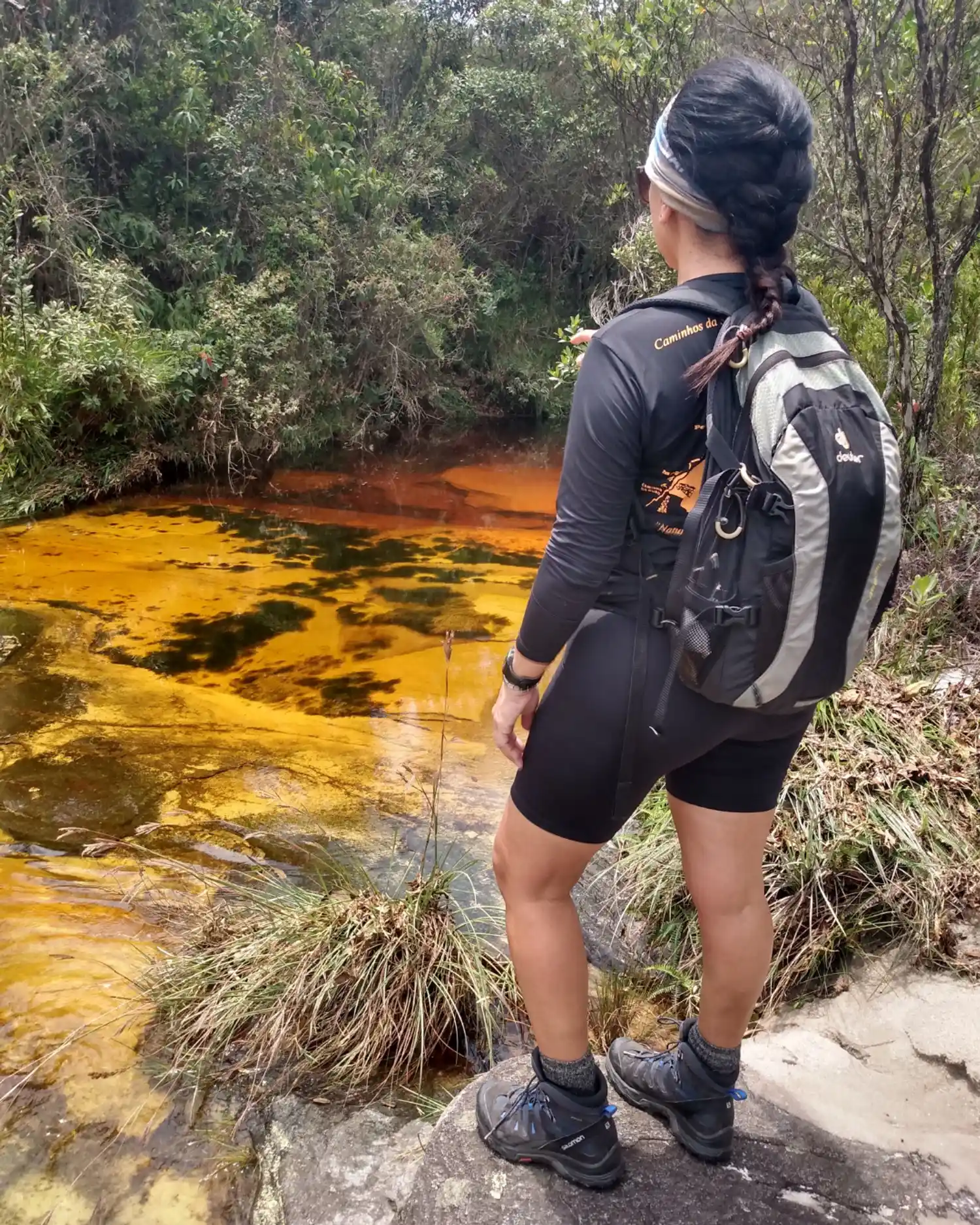
The ultralight motto is: "If an item has only one use, it needs to be essential".
- Multifunctional equipment for a light trail: the bandana that can be a hat, scarf, towel, or improvised sunscreen; a pot used for cooking and as a plate; a trekking pole that serves as a tent pole, the thermal insulator as a back support for the backpack, or a waterproof jacket that works as a pillow when packed;
- What to leave out: cutting the handle of the toothbrush is the cliché, but the real gain is in removing the "what if..." - "what if I need three knives?". We need to think and plan our trail so that it is truly ultralight, without losing comfort and without putting ourselves at risk;
- Extra Tips: use thermal insulators that are inflatable and foldable models, which reduce weight and volume and can become a seat. Use technical clothing with good performance, such as merino wool base layers, windbreakers, and waterproof anoraks, which also offer great insulation with low weight. Prefer compact stoves that use ultralight gas or foldable alcohol stoves, which are easy to use and carry. Choose foldable utensils, usually made of titanium or silicone, such as cups, pots, and spoons, which take up little space and weigh little.
Ultra-light trail with safety and fun!
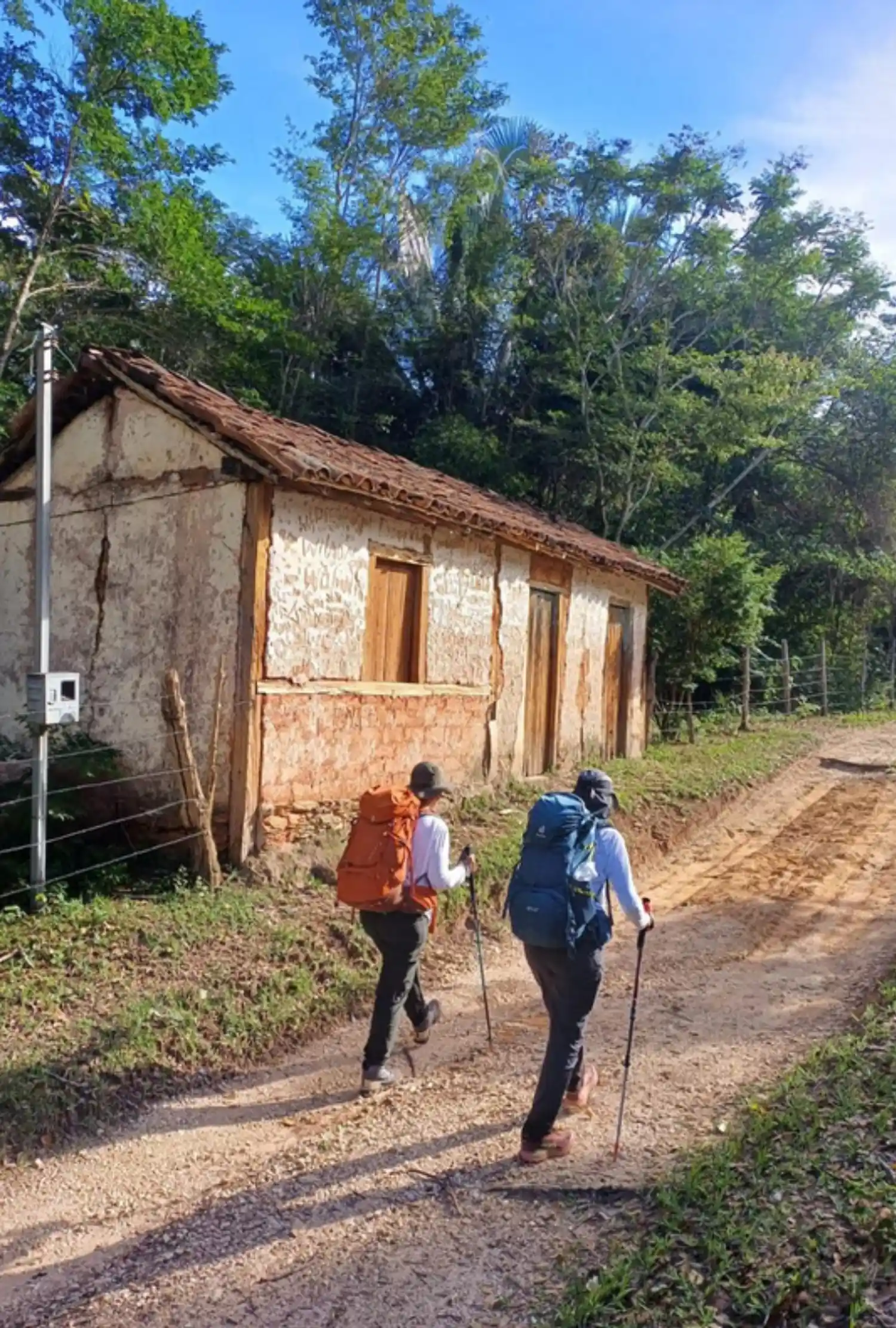
Adopting the ultralight hiking style doesn't just mean buying lighter gear! The idea is to think strategically about everything you carry and how to make your pack ultralight.
Knowing what to bring, how to distribute weight, and what can be left behind are the first steps. Important: seeking an ultralight style does not mean giving up essential items for the sake of weight! While minimalism is part of the philosophy, it should never compromise your safety. So, items like a first aid kit, navigation equipment, weather-appropriate clothing, and a reliable hydration system should never be left behind.
Using ultralight gear requires more skill from the hiker - knowing how to choose a camping spot, understanding wind direction, knowing how your basic gear works, etc. The ultralight hiker carries only the essentials, protects the trail, connects with nature safely, and minimizes impact!