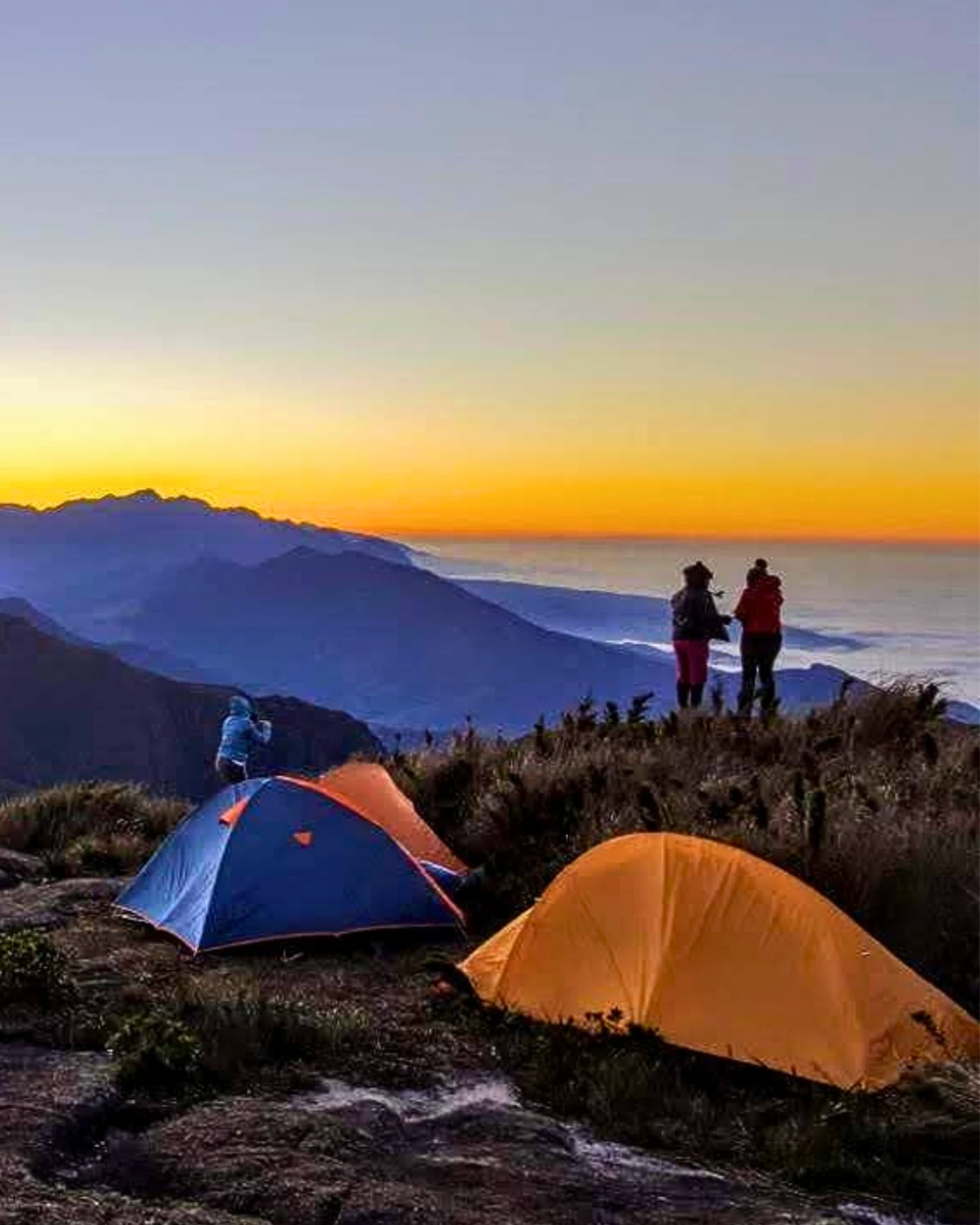
How to choose the ideal camping tent for your adventure? Tips to get it right!
Questions about choosing the ideal camping tent for you? Learn to analyze size, weight, and durability simply to ensure a peaceful night in nature. We've prepared a small guide with important tips to help you in this choice.
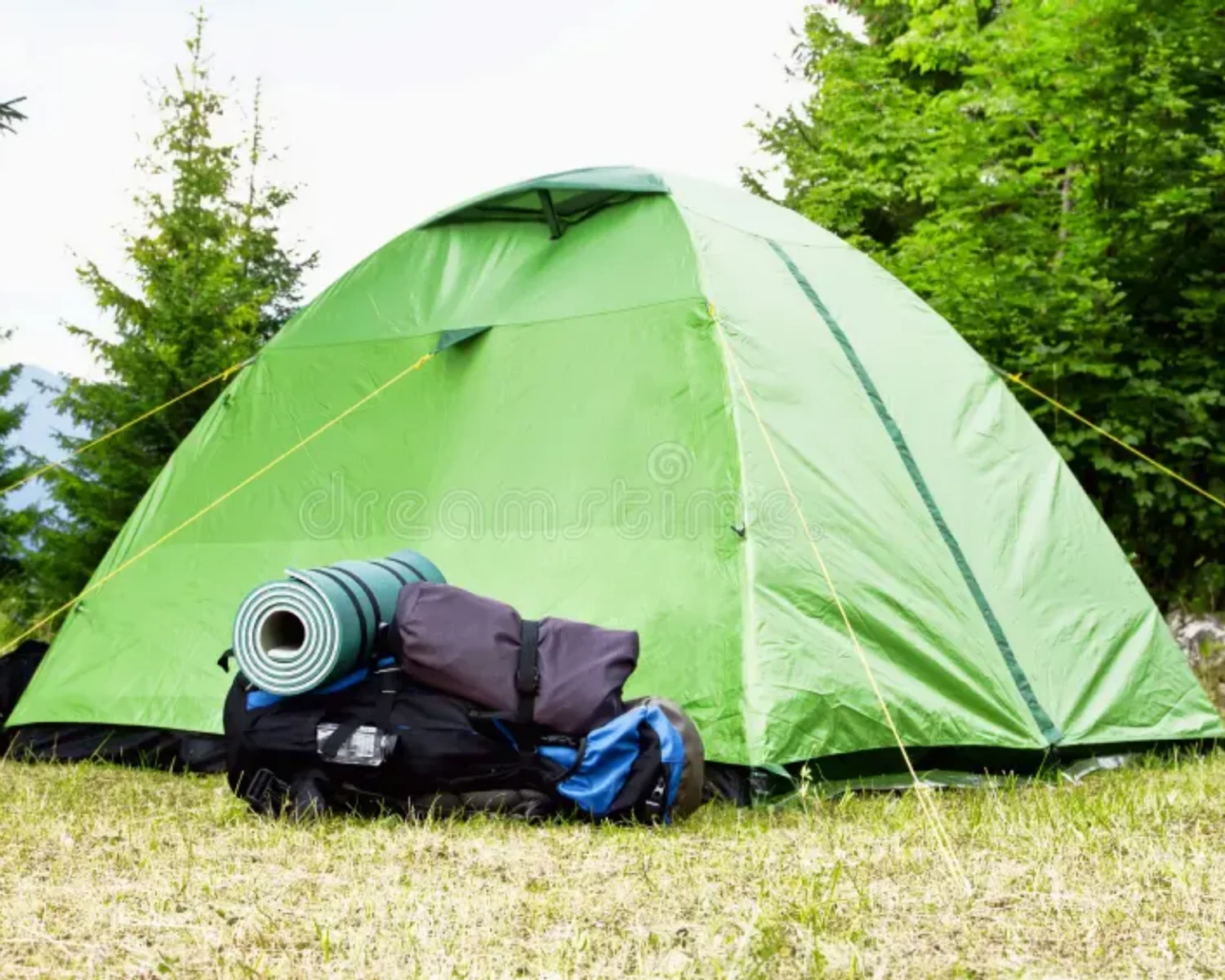
For rest to be real, we need to be well-equipped, prioritizing safety and, of course, comfort. After all, choosing the ideal camping tent is the true game-changer between an unforgettable experience under the stars or a hassle in the middle of the night.
Many beginners and even veterans have doubts when it comes to purchasing, but learning to choose the model that fits your needs doesn't have to be a daunting task. The secret lies in knowing how to analyze the right camping tent for you, taking into account the weather, weight, and the type of trail you plan to tackle.
Our tips will show you the essential criteria to invest confidently when choosing the ideal camping tent for you. Pack your backpack and come discover how to ensure that your only job is to enjoy the adventure!
Types of Tents and Weather: How Does the Environment Influence Your Choice?
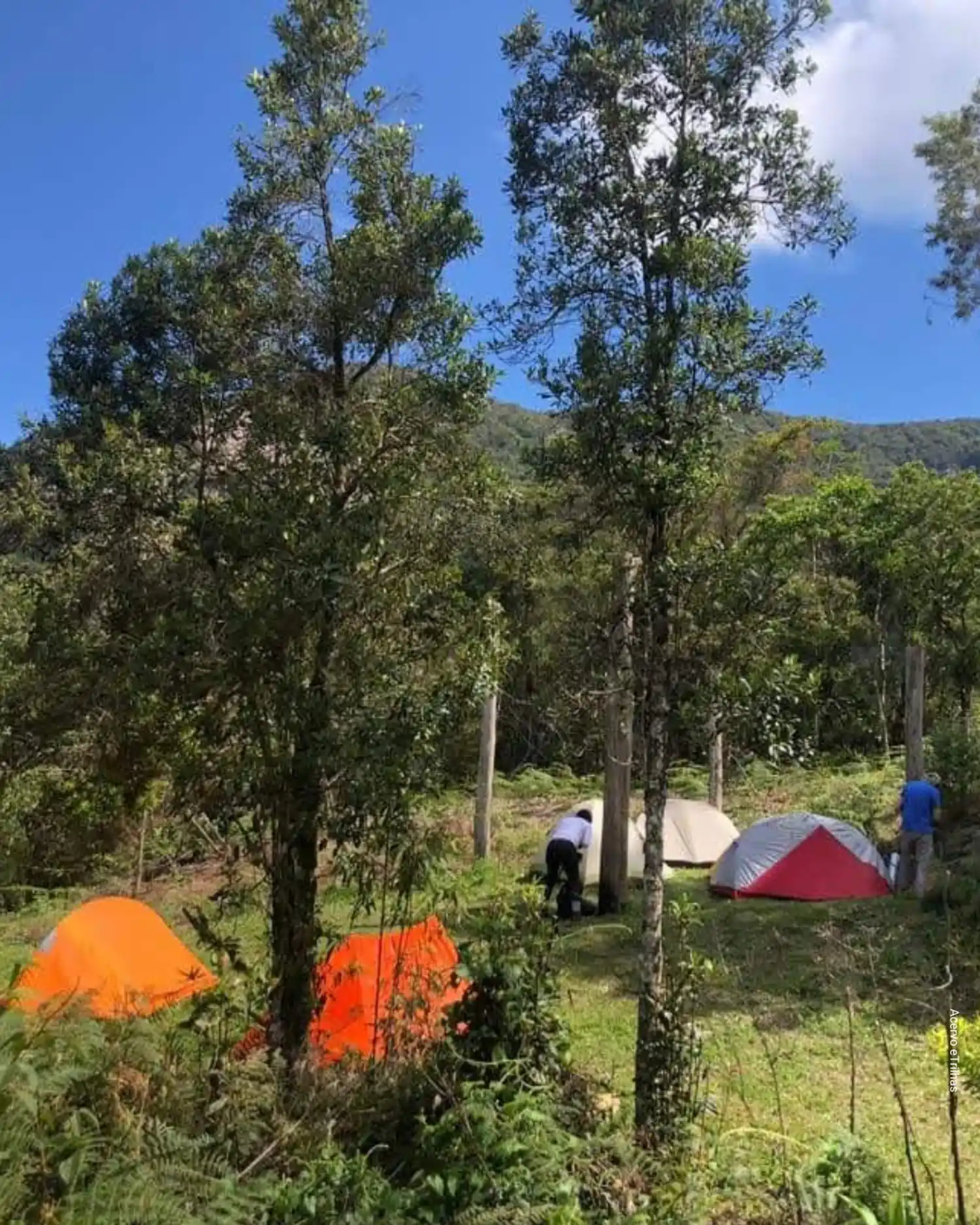
Camping is an amazing way to connect with nature, but the environment in remote areas can be unpredictable. Strong winds, unexpected rain, or excessive heat can arise without warning, and in those moments, your camping tent is your only refuge. Therefore, understanding the relationship between the type of tent and the climate of the location where you plan to stay overnight is a crucial step in planning your safety.
To choose the ideal camping tent, you need to analyze whether the model offers the necessary ventilation for hot days or the structural resistance to withstand gusts of wind and storms. Remember: comfort and safety in your outdoor activities always start with good preparation. Knowing how to analyze the right tent for you means anticipating these scenarios and ensuring that your equipment can efficiently handle weather variations.
Camping tent for hot and dry weather:
- Lightweight and breathable fabric: prioritize materials that do not suffocate the interior, fabrics that allow air circulation;
- Comfort, even in the heat: a well-designed tent offers thermal comfort even on hot days, preventing it from turning into a "sauna" in the early hours of the morning;
- Cross ventilation: this is one of the most important points. Efficient air circulation prevents the formation of water droplets (condensation) on the inner walls, ensuring that you and your gear wake up dry;
- Airy: check if the tent has windows or mesh areas, like mosquito nets, that protect you from insects without blocking fresh air;
- UV protection: strong sunlight wears down the tent material and increases internal heat. Models with UV protection block some of the sun's rays, increasing the durability of the equipment and protecting those inside.
Camping tent for cold and humid weather:
- Waterproof fabric: in the cold, moisture is your biggest enemy. Choose camping tents with fabrics that resist water, ensuring that the interior remains completely dry even under heavy rain or dew;
- Thermal Insulation Layer: choose camping tents where the rainfly goes all the way to the ground. This extra layer creates an air mattress that acts as thermal insulation, preventing the cold from entering the tent;
- Internal Heat Retention: unlike summer camping tents, models for cold weather have fewer mesh areas and denser fabrics to keep the heat generated by your body inside the tent, providing a much warmer environment;
- Sealed Seams: a good fabric is useless if water enters through the needle holes of the seams. Make sure the tent has sealed seams, which provide a total barrier against wind and water infiltration;
- Strategic Entrances to Maintain Temperature: tents made for cold weather have doors and zippers positioned to prevent rapid heat loss when entering or exiting. Additionally, the presence of an awning - that little porch - allows you to leave wet boots outside but protected from the rain, keeping the interior clean and warm.
3-Season or 4-Season: What Is the Ideal Camping Tent for You and the Climate of Your Adventure?
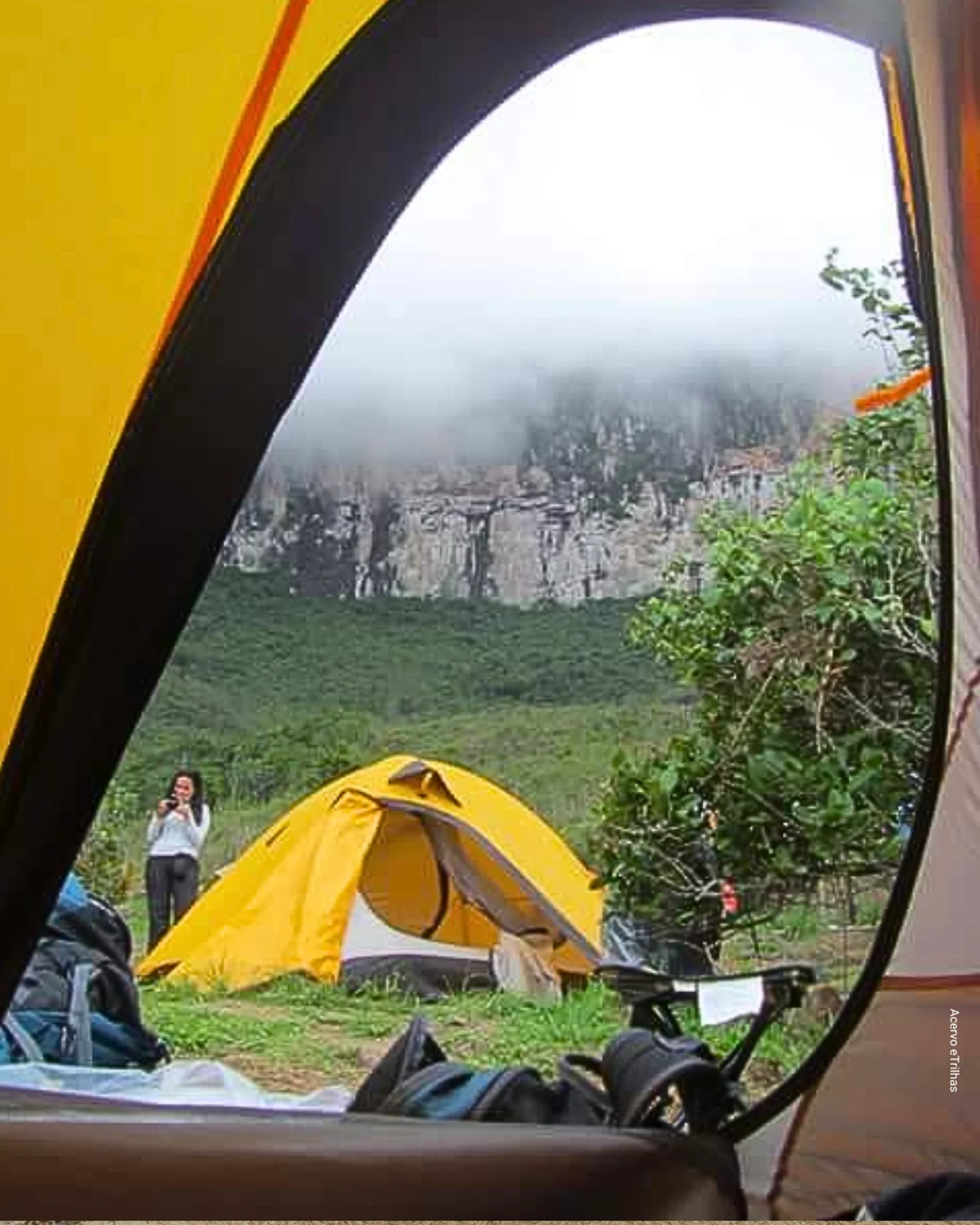
To analyze the right camping tent for you, the first step is to understand the classification by seasons. This terminology indicates how much weather adversity your equipment can withstand.
- 3-Season Tents: the most suitable for the Brazilian climate!
Most outdoor enthusiasts in Brazil choose a 3-season camping tent, designed for spring, summer, and fall, offering the perfect balance between weight and protection. It protects against light to moderate rain and typically features a waterproof rainfly with flaps to prevent water from entering at the tent's connection points. Additionally, the seams are sealed to minimize water infiltration. It is the right camping tent for you to hike national trails and camp in Brazilian mountains for most of the year.
- 4-Season Tents: the most suitable for extreme weather conditions!
These tents are designed to withstand adverse weather, such as heavy rain, snow, and strong winds. A 4-season tent is distinguished from others by its robust construction with more durable materials and offers protection and comfort even in extreme weather, ensuring a safe and comfortable overnight stay for hours. Although they are enclosed to provide greater thermal insulation, 4-season tents also have a ventilation system to prevent moisture buildup and minimize internal condensation. They can also be used in Brazil, typically in winter, and in higher mountains and colder regions, such as Itatiaia, Alto Caparaó, and Mantiqueira, the Serra dos Órgãos and Três Picos mountains, Pico Paraná, the southern regions of the country, and many others.
Learn more to choose the ideal camping tent for you!
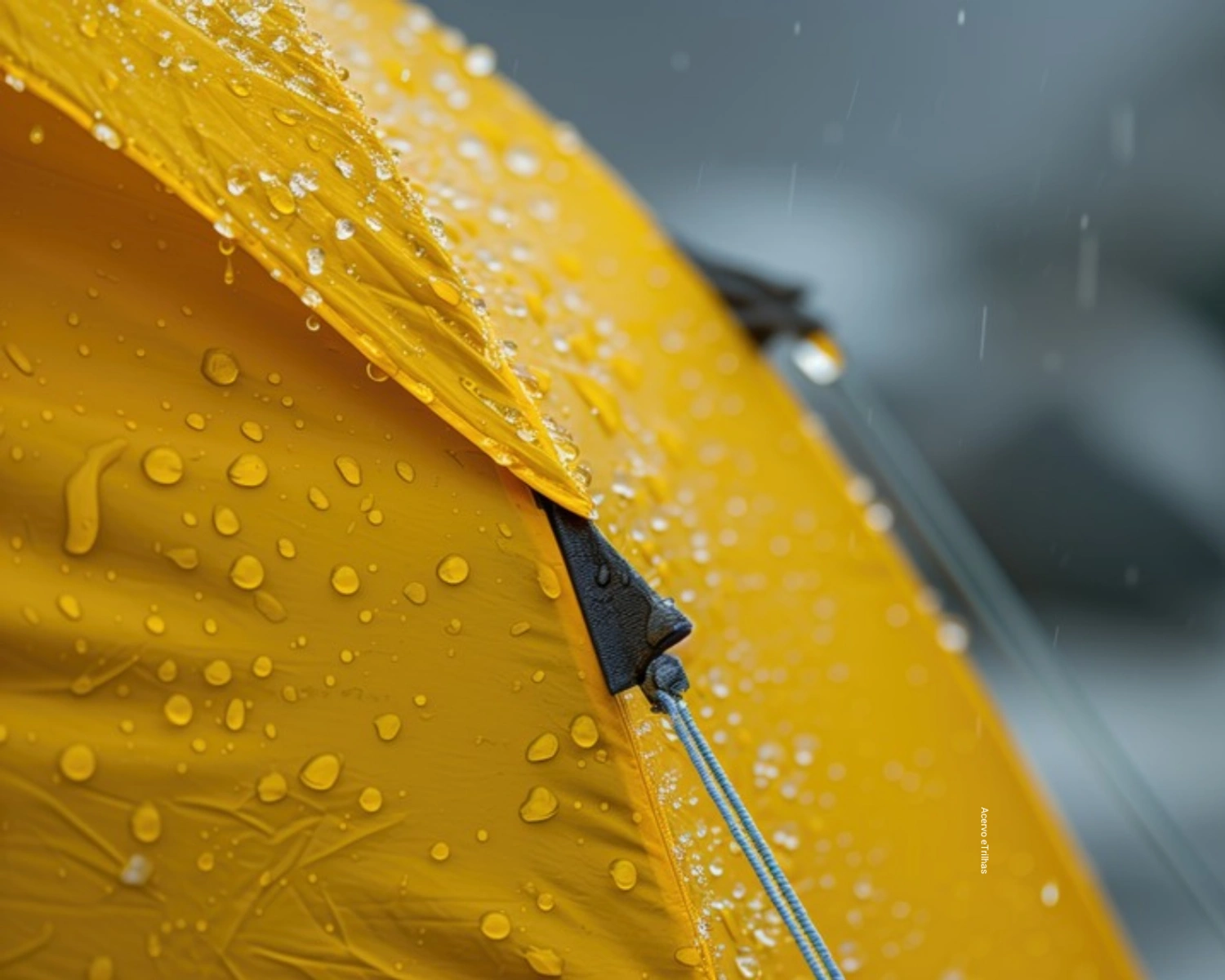
If you want to choose the ideal camping tent for your adventure, you need to analyze the water column. This term refers to the fabric's water resistance capacity, meaning how much rainfall it can withstand without water penetrating the fibers and wetting the interior. Generally, to be considered truly waterproof, the tent must have a water column of over 1000 mm.
The right camping tent for you with the ideal water column:
- Below 600 mm: not recommended for use in rain;
- 600 mm to 1000 mm: basic resistance, suitable for light drizzles and very weak, passing rains. Ideal for well-protected summer camps;
- 1000 mm to 2000 mm: the standard for safety and adequate resistance for regular rain over short periods. It's the starting point for those who want to camp with more peace of mind;
- 2000 mm to 3000 mm: offers high performance and adequate resistance for heavy rains and storms over longer periods. Ideal for camping in mountains and more remote areas;
- Above 3000 mm: ensures total protection, recommended for extreme rain situations and expeditions where you cannot afford a drop of internal moisture.
Remember that, in cold weather, the water column of your ideal camping tent is just one part of the system! Checking for sealed seams is indeed an inseparable item in this choice.
Freestanding X Supported: Which camping tent is right for you and your terrain?
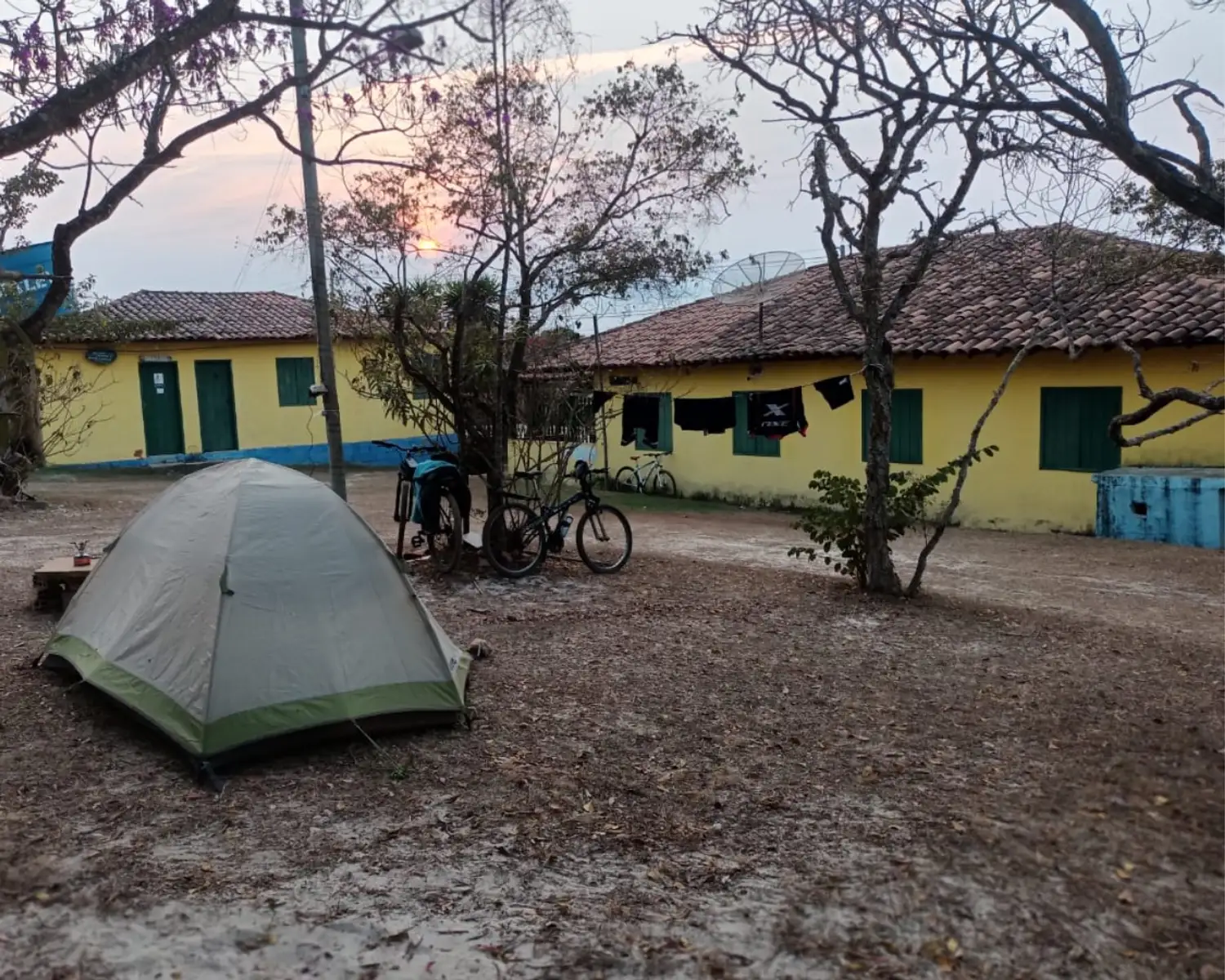
In addition to the weather, the way the structure stands is essential to ensure practicality in your adventure. To choose the ideal camping tent, you need to understand the difference between these two systems.
Freestanding Tent: Practicality and Versatility.
It stands on its own, thanks to its internal structure of crossed poles and tensioning systems.
- Advantages: can be set up on any terrain, including very hard or rocky ground where it is impossible to stake down;
- Differentiator: the great advantage is that it can be moved even after being set up. If you notice the ground is sloped, just lift it and reposition it;
- Stability: although it stands on its own, you can (and should) also stake it down for greater stability against the wind. It is undoubtedly the right camping tent for those who value a quick and stress-free setup.
Supported Tent: Stability in Strong Winds.
This type requires the use of stakes and guy lines or tensioners to stand up. Its structure alone is not sufficient to support itself.
- Advantages: generally offers superior aerodynamics, being extremely stable in adverse weather conditions and very strong winds;
- Disadvantages: the setup process is more labor-intensive and requires the terrain to allow for stake placement, necessitating the avoidance of very hard ground or stone slabs;
- Profile: it is the ideal camping tent for those with more experience who plan to camp in areas with expected windy conditions, where mechanical anchoring to the ground is your greatest security.
The right size of the camping tent ideal for you!
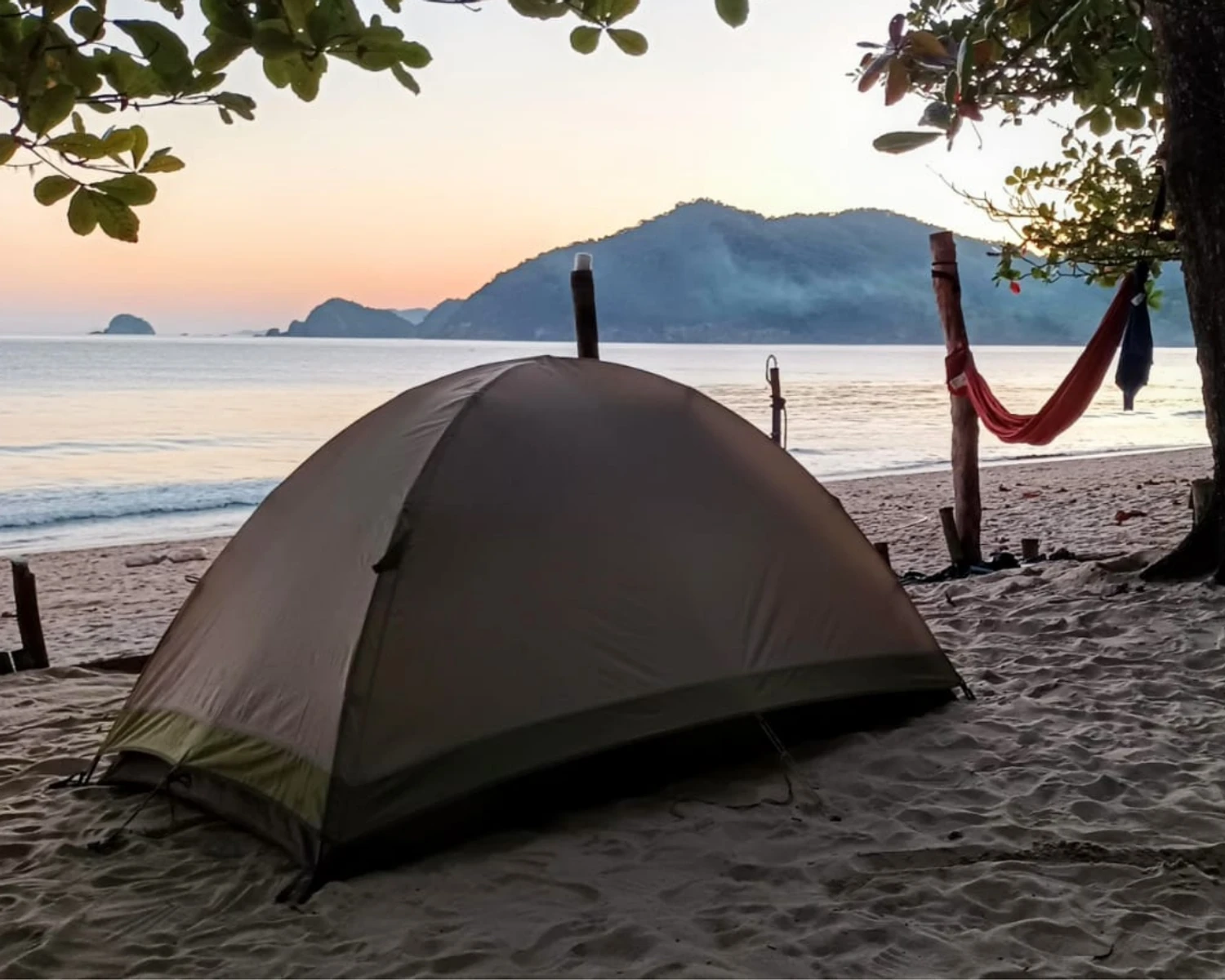
One of the most common mistakes when choosing the ideal camping tent is considering only the number of people indicated on the packaging. To ensure a good night's sleep, you need to analyze the right tent for you, thinking not only about your body but also about your gear.
Tent for 1 Person: Focus on Lightness.
If you seek the minimum weight in your backpack, are an ultralight trekking enthusiast, and usually do not share the tent with another person, a solo camping tent is the right choice for you.
- Advantage: extremely compact and lightweight;
- Disadvantage: the internal space is limited. Generally, there is little or no space for the backpack inside the sleeping area. Check if the model has an awning, a kind of small porch, to protect your belongings.
Tent for 2 People: The Perfect Balance.
This is the most popular size among mountaineers. For many, it is the right camping tent even when alone, due to the extra space for gear.
- Advantages: offers comfort for a couple or plenty of space for a solo camper with all their gear;
- Comfort Tip: if you are sharing with another person, look for models with two doors. This prevents you from having to climb over your companion during the night. Having that little porch is also a great idea for accommodating your gear!
Tent for 3 or More People: Group Comfort.
Ideal for small families, groups of friends, or those who do not want to give up having almost a room from home while camping.
- Advantages: generally higher ceilings and a lot of internal space;
- Attention to Weight: since they are larger, they tend to be heavier. If the goal is a long hike, it is best to divide the weight of the poles and fabric among the backpacks of the group members.
Tips for choosing the ideal camping tent for YOU!
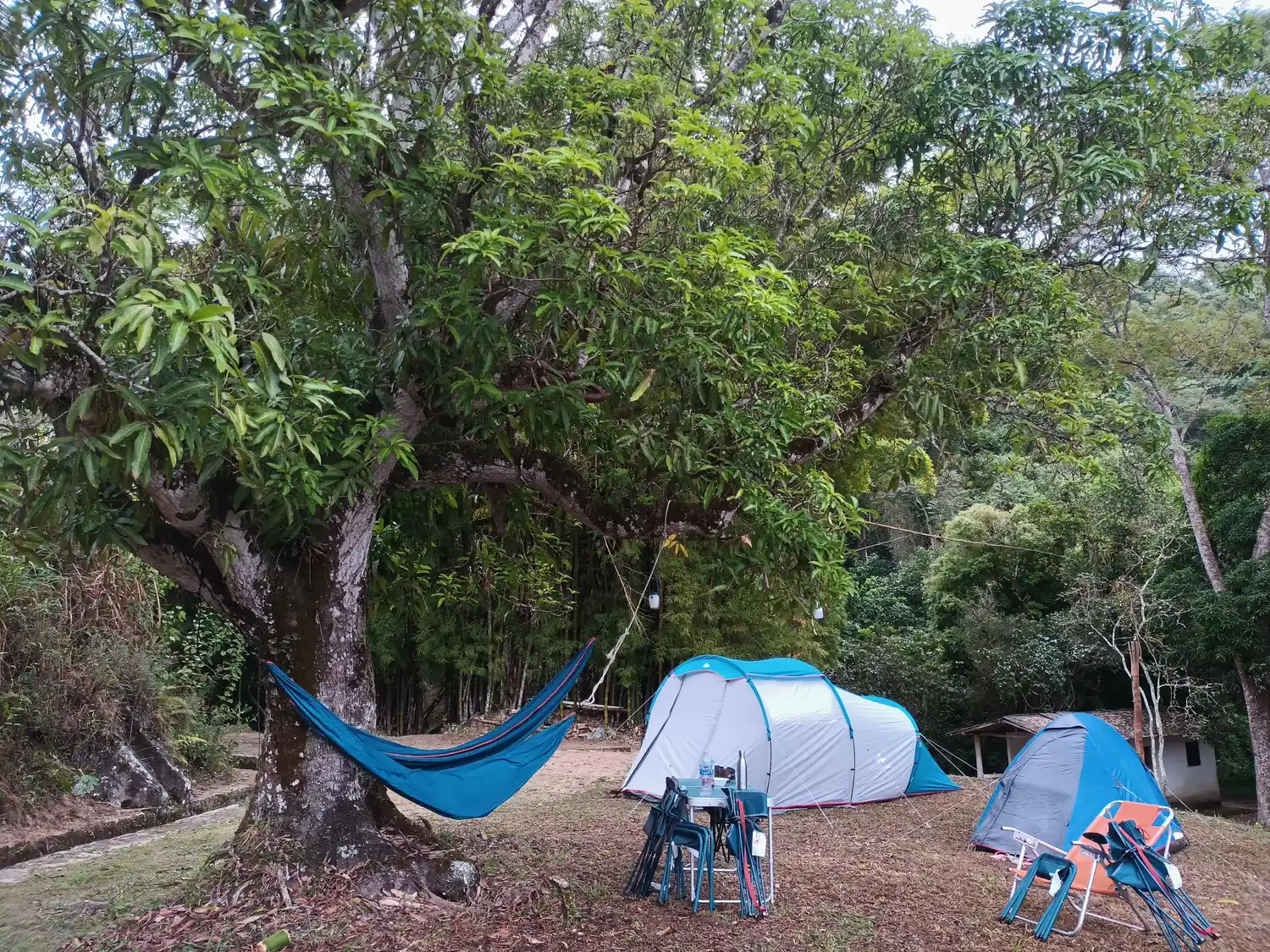
To choose the ideal camping tent and ensure it lasts for many seasons, the secret lies in the details and maintenance. Check out this final checklist to analyze the right tent before purchasing, and camp safely and comfortably:
- High-Performance Materials: prefer aluminum poles and stakes, and Ripstop, nylon, or polyester fabrics. They combine lightness, high resistance, and waterproofing, making them ideal for rugged terrain;
- Practicality and Space: if you camp alone or with children, prioritize models that are easy to set up. Always remember to consider space for people and all the equipment;
- Advance Testing: never wait to set up your tent for the first time on the trail! Set it up at home to check if all components are in order and to familiarize yourself with the system;
- Safety on Site: avoid setting up your shelter under large trees or in low areas at risk of flooding. Bring a large, durable tarp or plastic, and use it under the tent floor to protect it from rocks and thorns;
- Essential Maintenance: always have a repair kit with Silver Tape and cordage with your camping tent. When you return home, clean and dry the equipment completely before storing it to avoid mold and prolong its lifespan.
Ready to choose your ideal camping tent?
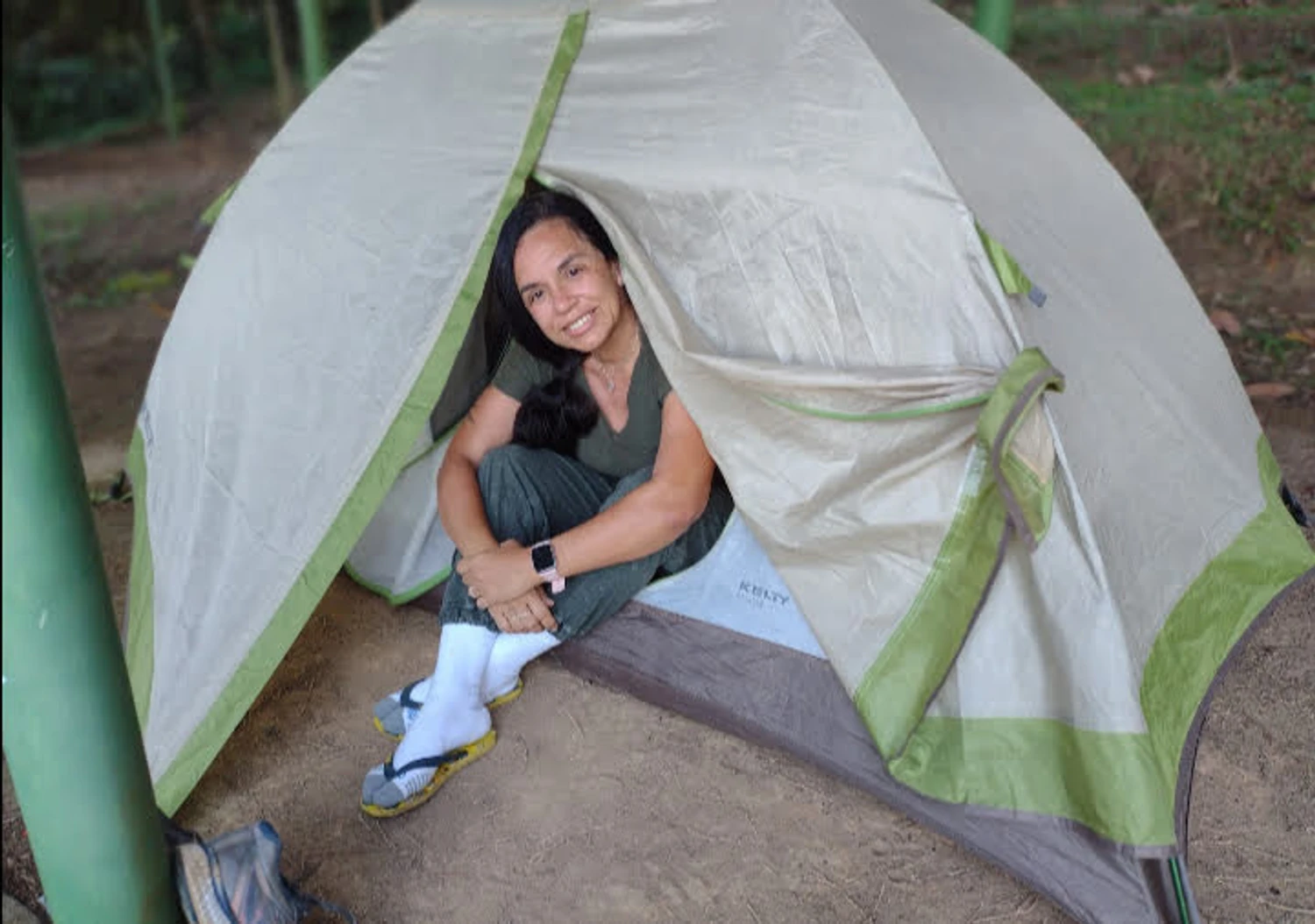
To wrap it up, remember that choosing the ideal camping tent is an investment in the quality of your rest and your safety in the field. By analyzing the right camping tent for you, balancing climate, weight, and durability, you ensure that your only concern is enjoying the connection with nature.
Now that you know how to avoid mishaps and ensure an unforgettable overnight stay, just pack your backpack, check your gear, and head out for the next trail with a night under the stars!
By: Luciana Nogueira, passionate mountaineer, specialist in health and sports rehabilitation, Leave No Trace Instructor, WAFA - Wilderness Advanced First Aids training.