Backpacking Pack: 7 Technical Details That Change Your Hike!
Buying a backpack is one of the highest and most crucial investments for those who hike and trek long distances. It is very common to see practitioners attracted by famous brands, deals, or visual appeal, ending up with the wrong equipment on their backs.
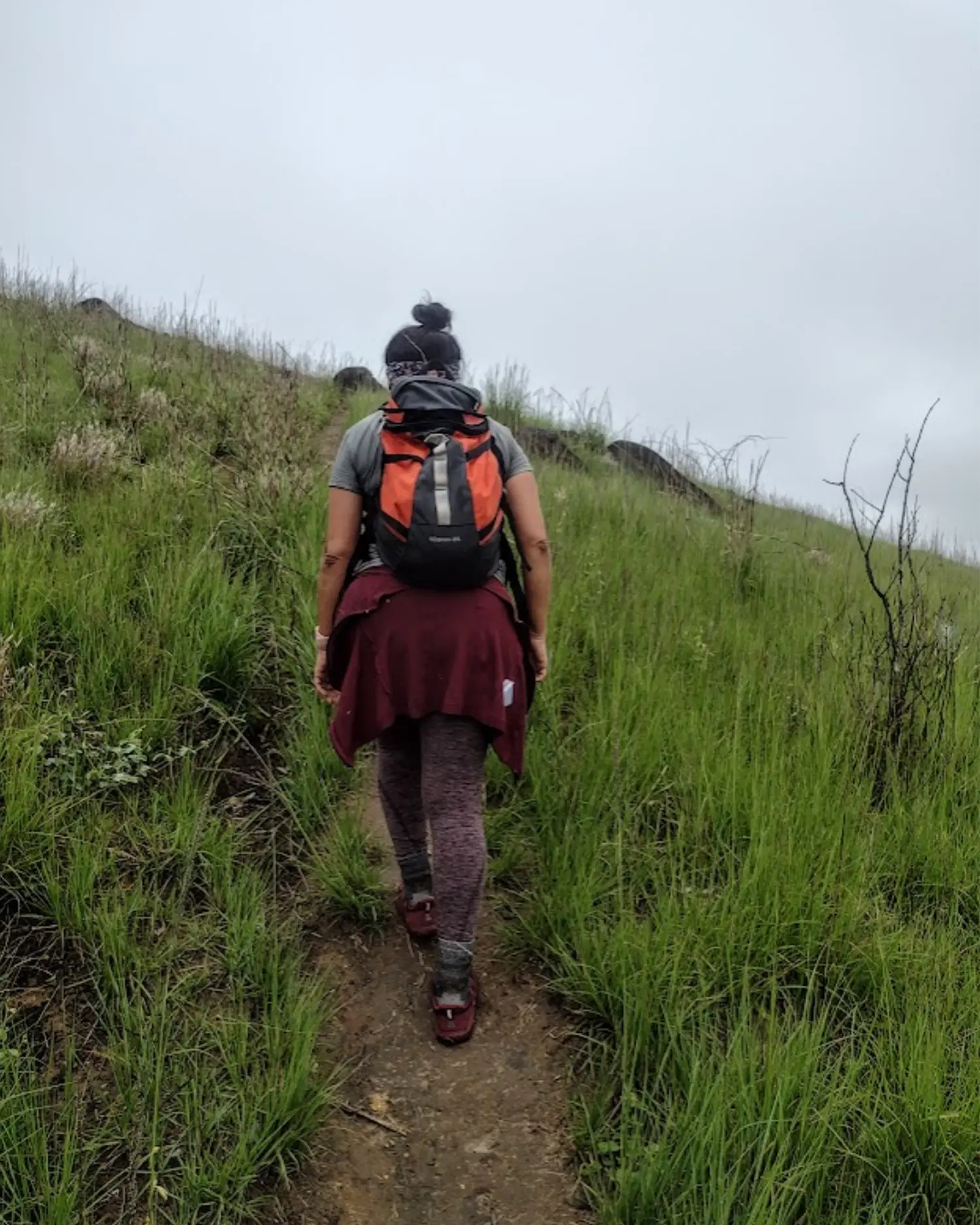
To ensure ergonomics, durability, and comfort on your longer trails and hikes, the choice must go beyond the obvious.
In this article, we detail the crucial factors you should evaluate to invest in your next backpack. Before looking at the color or the number of external pockets, we need to talk about physics, ergonomics, and trail logistics. Buying a backpack is a reverse process from what most people do: you need to view the backpack as the final wrapper of your equipment ecosystem.
Let's embark on this adventure together!
1. Know the Volume and Weight of Your Kit Before Purchase
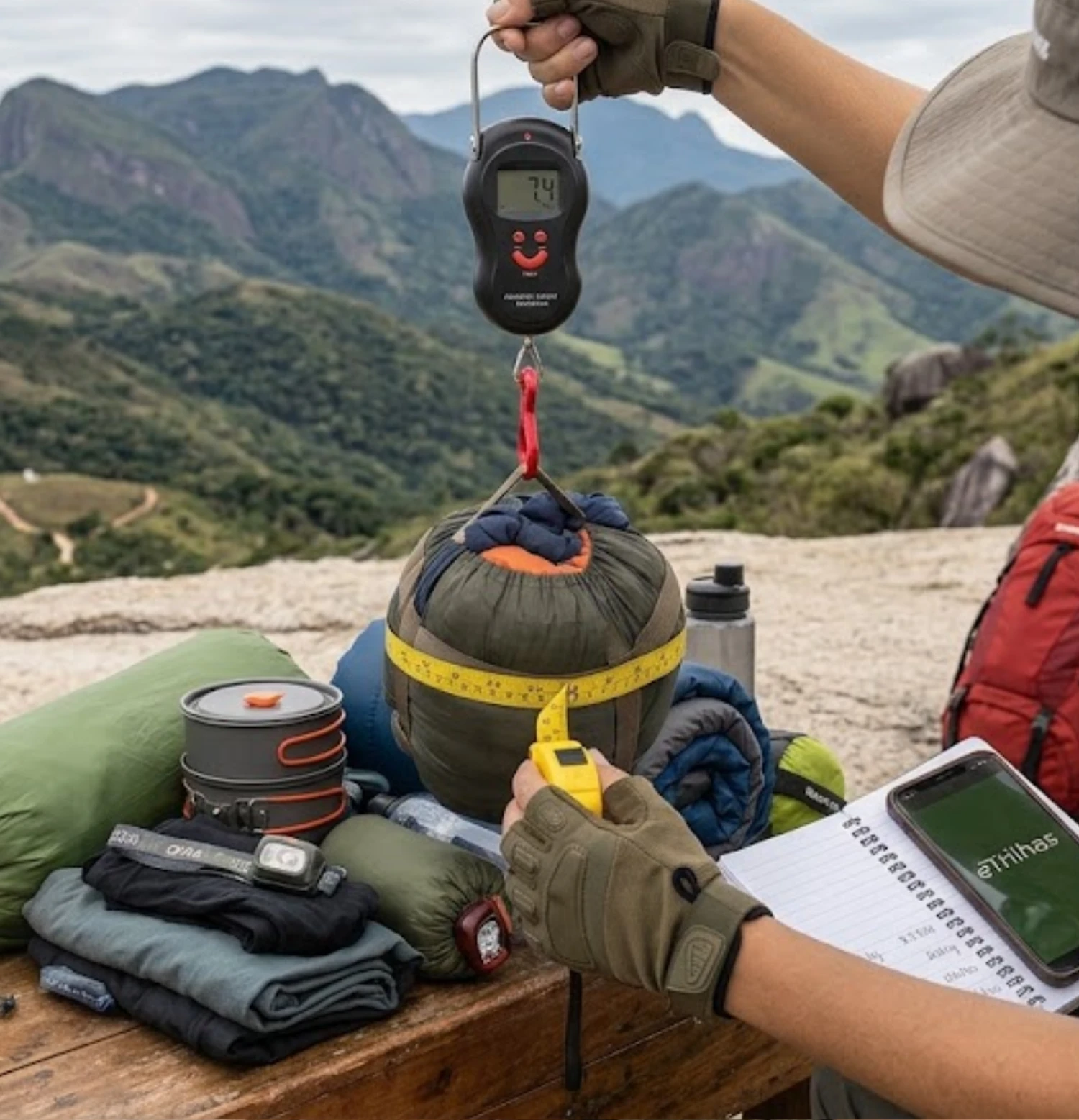
The most common mistake is buying the backpack first and trying to adapt the items later. The backpack should be the last item of your gear kit to be purchased.
- The impact of the mistake: A 70-liter backpack for shorter trails creates unnecessary structural weight and internal gaps that destabilize the body's center of gravity. On the other hand, a model that is too small forces excessive compression, damaging zippers and requiring the transport of items hung externally, which increases the risk of snagging on branches and causing falls.
- Practical test: Gather all your usual basic kit (tent, sleeping pad, sleeping bag, cooking system, and clothing). Measure the approximate total volume and initial weight. Only with this data in hand should you seek the most suitable capacity for your most common practice.
2. Check the Load Limit Capacity
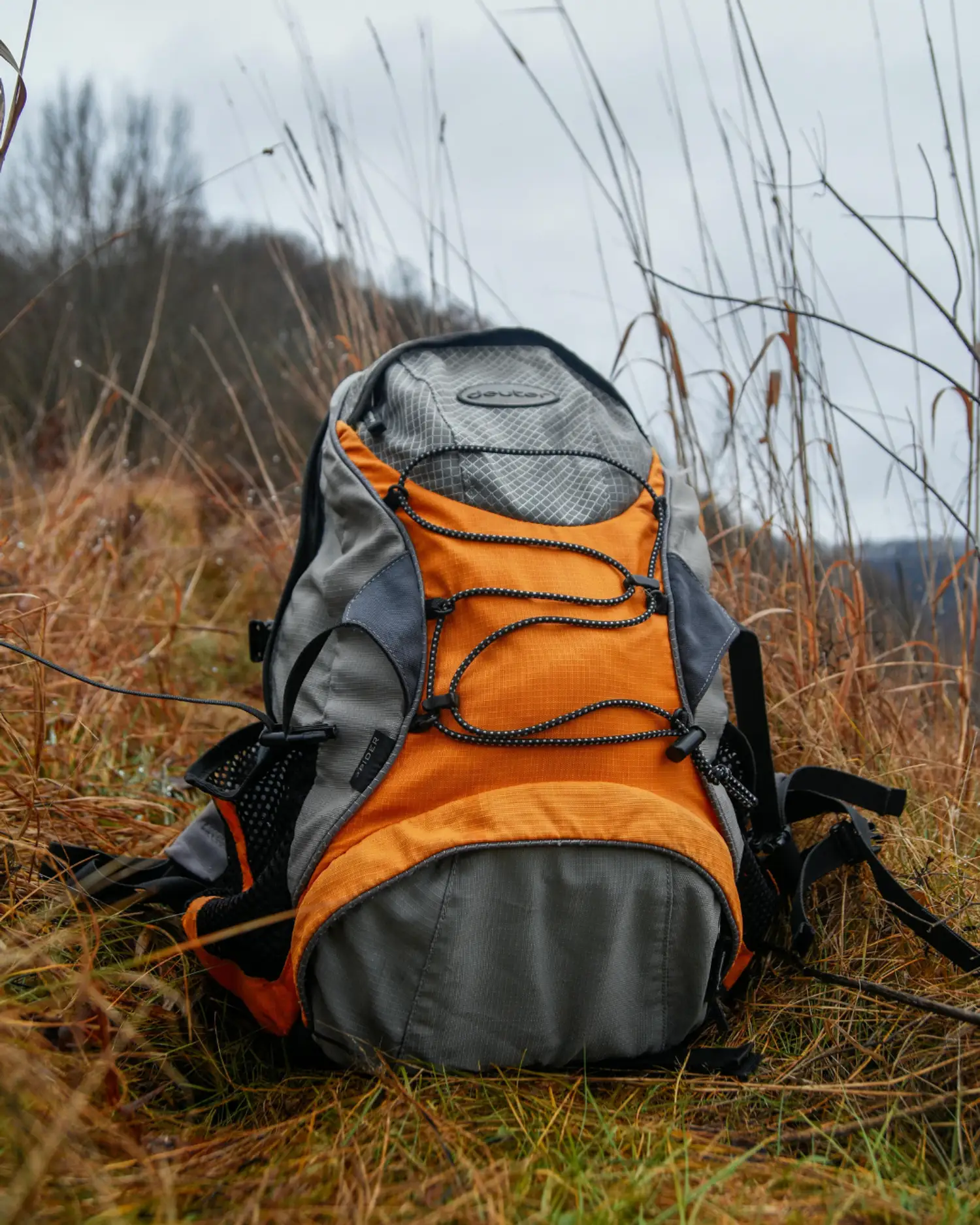
Volumetric capacity in liters is different from operational load capacity in kilograms. Two 60-liter backpacks can have completely distinct support limits due to the engineering of their suspension system.
- Frame and structure: Backpacks designed for the ultralight style use flexible or minimalist frames to carry a maximum of 10 to 12 kg. Expedition models have rigid aluminum or lightweight alloy stays to transfer 20 kg or more directly to the hips.
- Overload risk: Exceeding the manufacturer's recommended limit can cause the structure to seal or bend, unloading all the weight onto the shoulders and lower back. Additionally, there is a risk of the backpack tearing in the middle of the hike!
3. Understand that Equal Literages Can Have Different Proposals
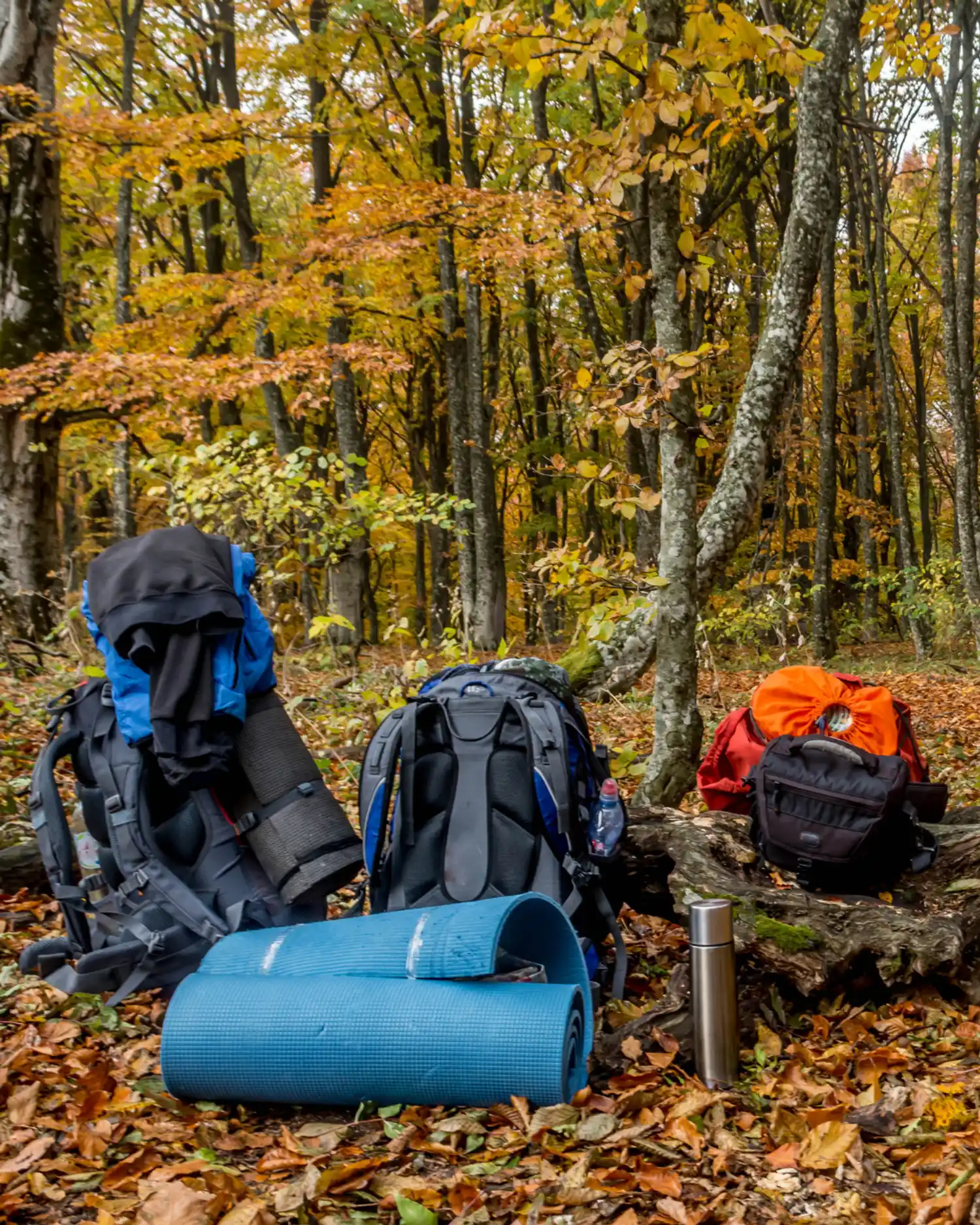
The volume of the backpack indicates only its total cubic capacity. The architecture of its construction defines in which environment the backpack performs best.
- Trekking and Expedition:
CONSTRUCTION: wide front access, high-density fabrics (Cordura/Ripstop), and rigid hip belt.
RECOMMENDATION: crossings and long-distance trails, self-sufficient, multi-day, and severe/remote terrains.
- Ultralight / Fastpacking:
CONSTRUCTION: tubular closure (roll-top), thin fabrics, and focus on reducing the backpack's own weight.
RECOMMENDATION: fast hikes and trails with reduced base weight.
- Climbing:
CONSTRUCTION: narrow shape and clean profile (no side pockets), external support for seams, carabiners, and related equipment.
RECOMMENDATION: technical climbing and approaches on rock or ice.
4. Respect the Anatomical Differences of Female and Male Models
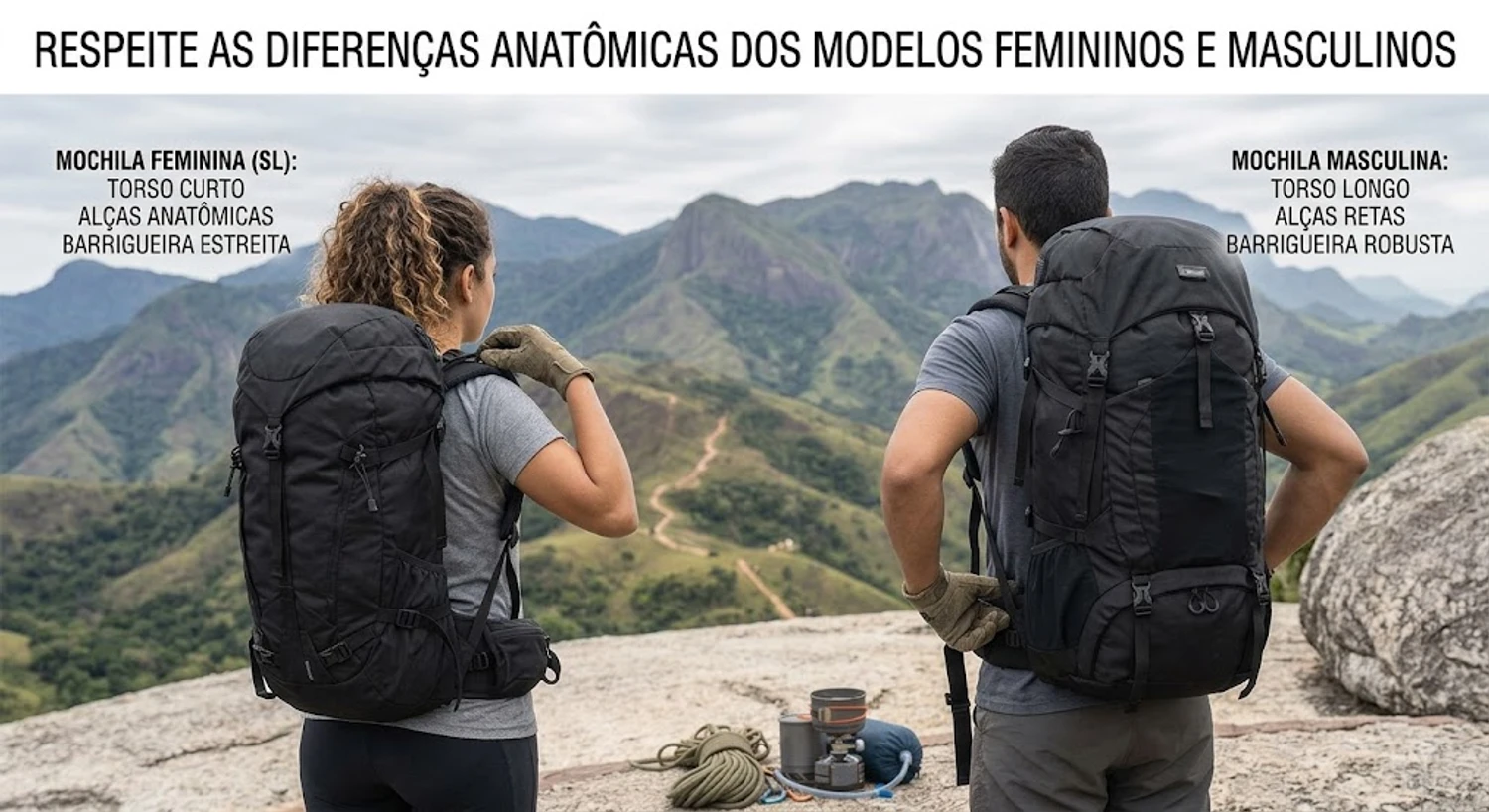
a) Women’s backpacks or those with the acronym SL (Short Length/Slim Line) go far beyond aesthetic variations: they have structural adaptations in the suspension system and in the anatomy of women (with more curves, shorter torsos, and breast volume)
- Strap Design: Women’s straps have an "S" shape with softened contours, avoiding compression on the chest and breast area.
- Hip Belt Angle: The female pelvis has distinct tilt and width. Therefore, the hip belt in these models has a conical cut to hug the iliac crest (the prominent bone on each side of the hip, at the front lateral part), without creating friction points.
- Torso Length: Suitable for body proportions where the torso is shorter in relation to total height.
b) Men’s backpacks are designed with the anatomical structure of men in mind:
- Strap Design: Men’s straps have a more straight or "J" shape, with wider and more structured contours. This is designed to better accommodate broader shoulders and a flatter, bulkier chest, ensuring load stability without restricting arm movement.
- Hip Belt Angle: The male pelvis is generally narrower and more vertical. Therefore, the hip belt in these models has a straighter and more structured cut, focused on hugging the waist and transferring weight directly to the hip bones and lower back, without slipping.
- Torso Length: Suitable for body proportions where the torso is longer in relation to total height. The back of the backpack is sized to cover a greater distance between the base of the neck and the iliac crest, ensuring the correct adjustment of the straps and stabilizers.
5. Prioritize the Size, Stiffness, and Fit of the Belly Strap
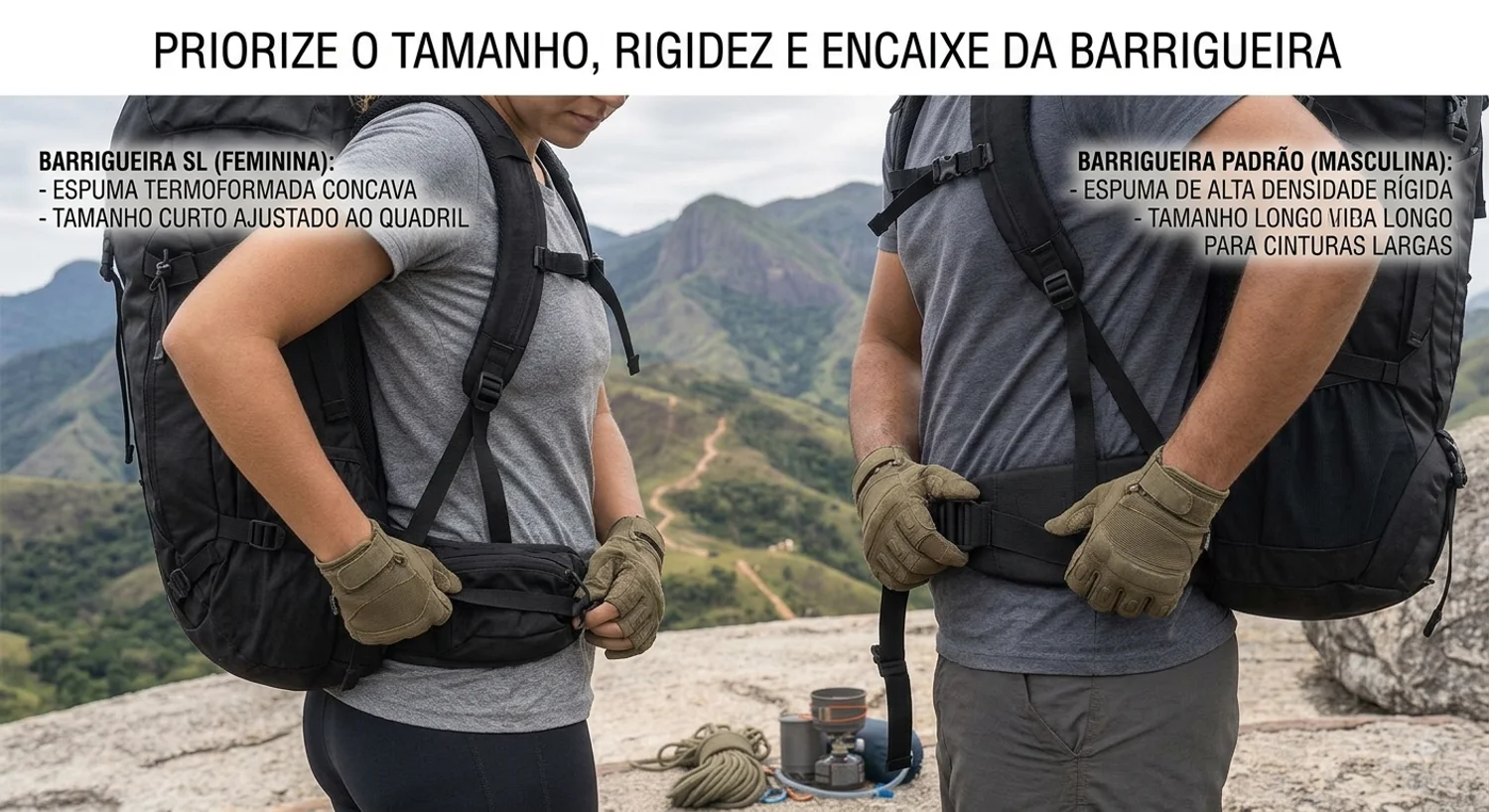
The hip belt is the main mechanical component of the backpack. With a proper adjustment, 70% to 80% of the total weight should be transferred to the hips, leaving only 20% to 30% on the shoulders.
- Foam density: Very soft foams deteriorate/disintegrate with loads over 12 kg. For longer and/or heavier trails, the hip belt requires high-density foam (thermoformed EVA) to distribute pressure evenly and homogeneously.
- Anatomical fit: The padding of the hip belt should wrap around the protruding bone of the hip (iliac crest). If the adjustment straps need to be tightened to the limit without the padding covering the sides of the hips, the backpack is too wide for your waist.
6. Trunk Length Matters
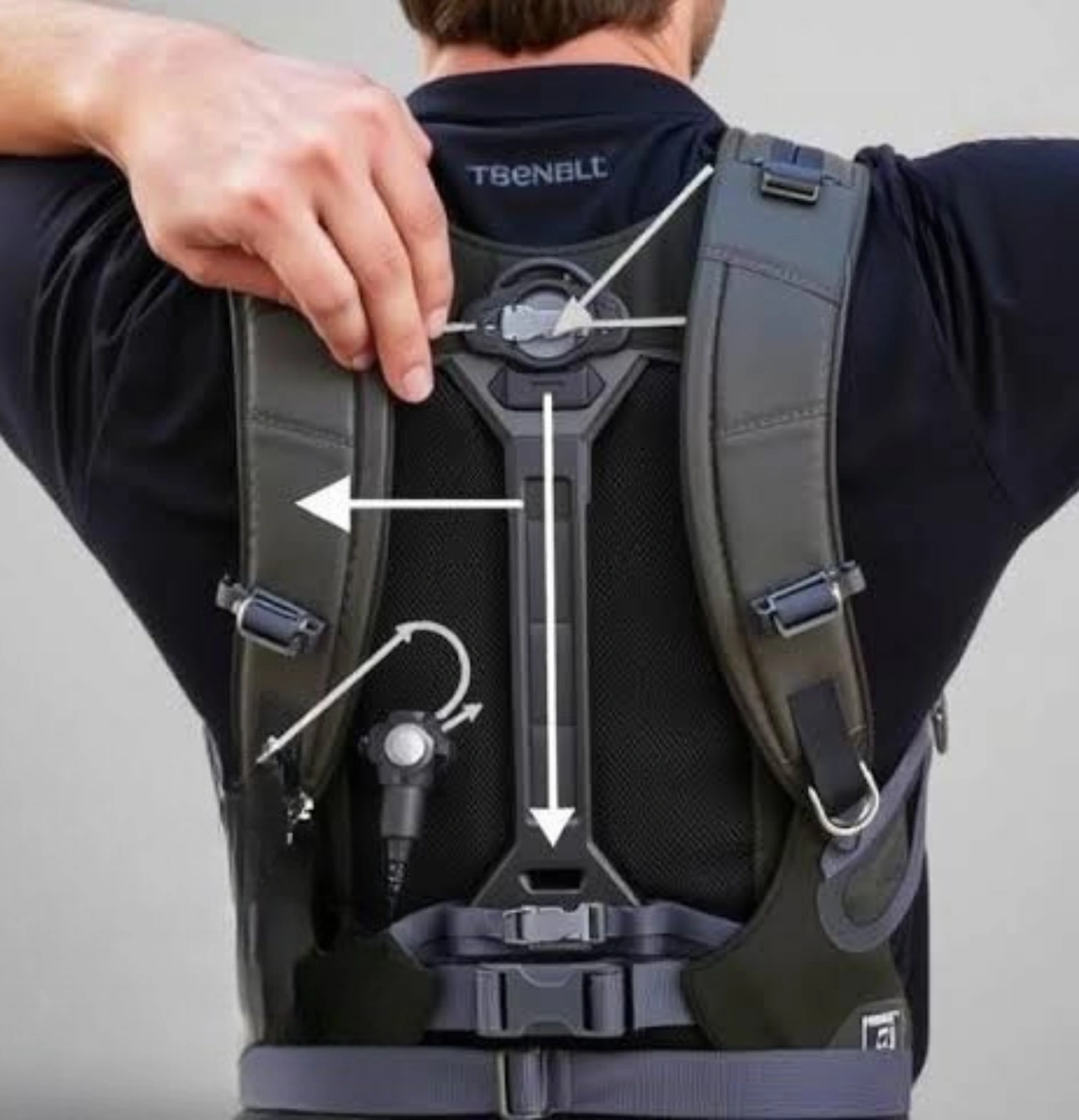
A person's total height does not determine the size of the backpack's back panel. The correct parameter is the distance between the 7th cervical vertebra (the base of the neck) and the iliac crest line (the height of the sacrum/start of the buttocks):
- Suspension adjustment: High-performance backpacks have fixed torso sizes (S, M, L) or micrometric adjustment systems on the back panel.
- Angle of stabilizing straps: The correct torso size allows the upper straps to be positioned at an angle close to 45°, bringing the load closer to the body's center of gravity.
7. Understand the Limitations of Your Backpack's Waterproof System!
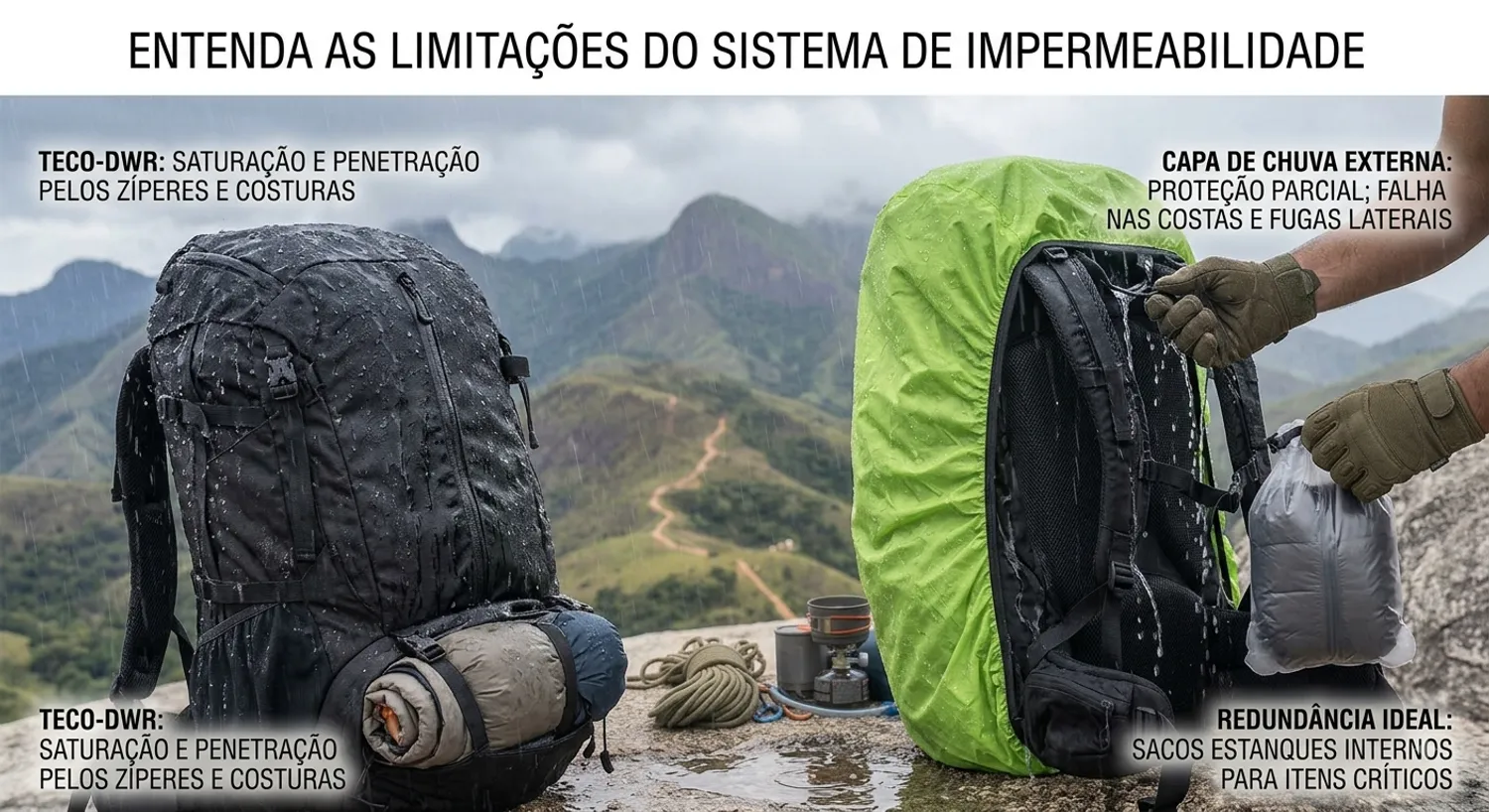
Most backpacks are not 100% waterproof. The fabric may be water-resistant, but the seams and zippers act as points of infiltration during heavy rain:
- External cover: The rain cover of the backpack protects against direct hits, but fails in strong winds (which blow water between your body and the side of the pack) or when passing through dense vegetation.
- Redundancy solution on the trail: Regardless of the fabric's resistance, the safety recommendation for long trails is to pack crucial items (sleeping bag, dry clothes, and electronics) in individual waterproof bags inside the main compartment of the backpack.
Ready to Choose Your Backpack?
Choosing the ideal backpack is an exercise in planning based on your hiking style and the environments you explore. By knowing and understanding the materials and the actual capacity of your gear kit, you reduce the risk of mishaps, falls, and injuries, ensuring greater autonomy on longer hikes and trails.
Before packing your backpack for the next adventure, remember to check the updated information about route conditions, water points, maps, and tips in the app eTrilhas.
Before packing your backpack for the next adventure, remember to check the updated information about route conditions, water points, maps, and tips in the app eTrilhas.