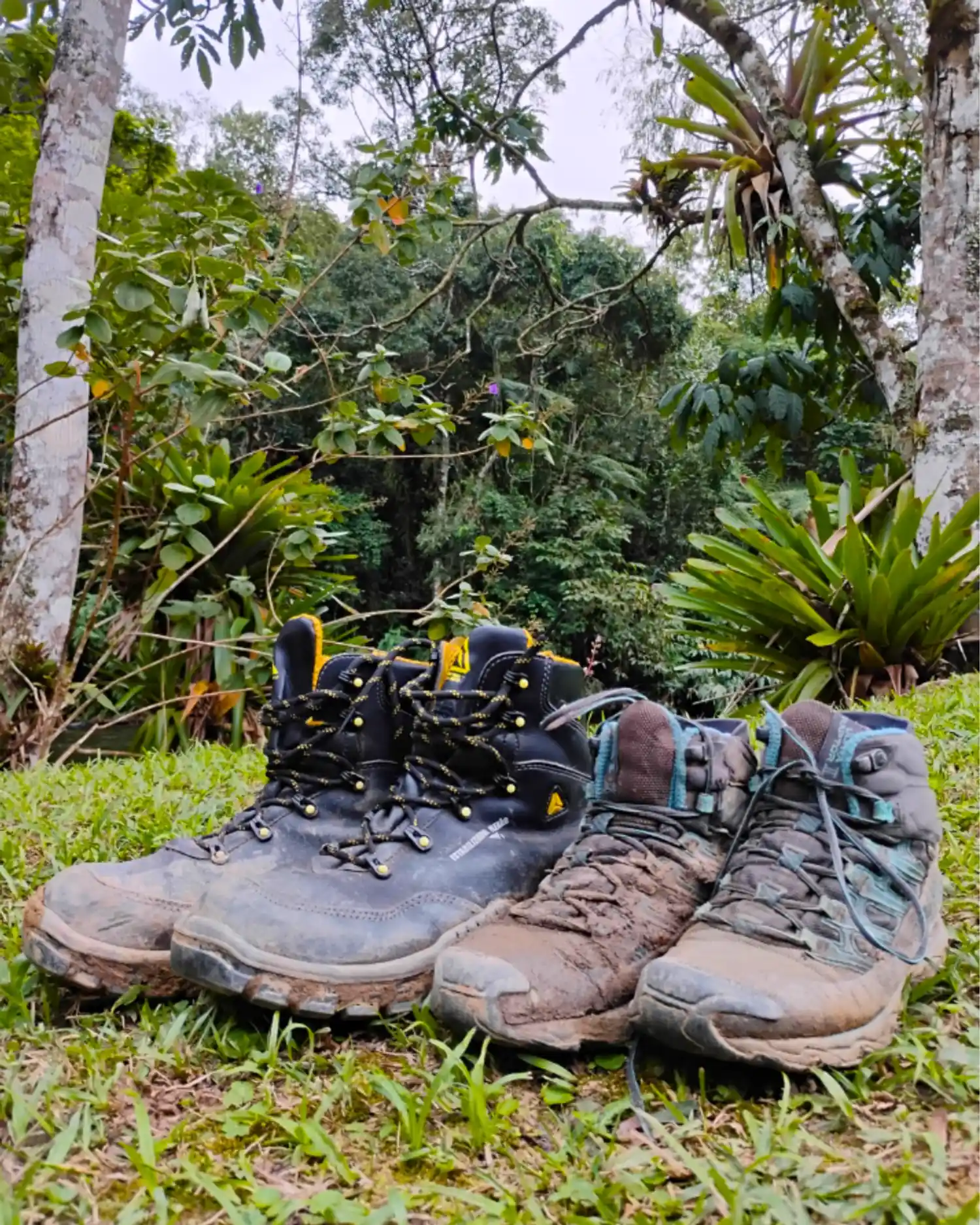
What is the best footwear for hiking?
What footwear do you use for hiking? The tip is to understand what we wear on our feet as our BEST COMPANIONS, in addition to important equipment to ensure safety and make sure we enjoy the hike!
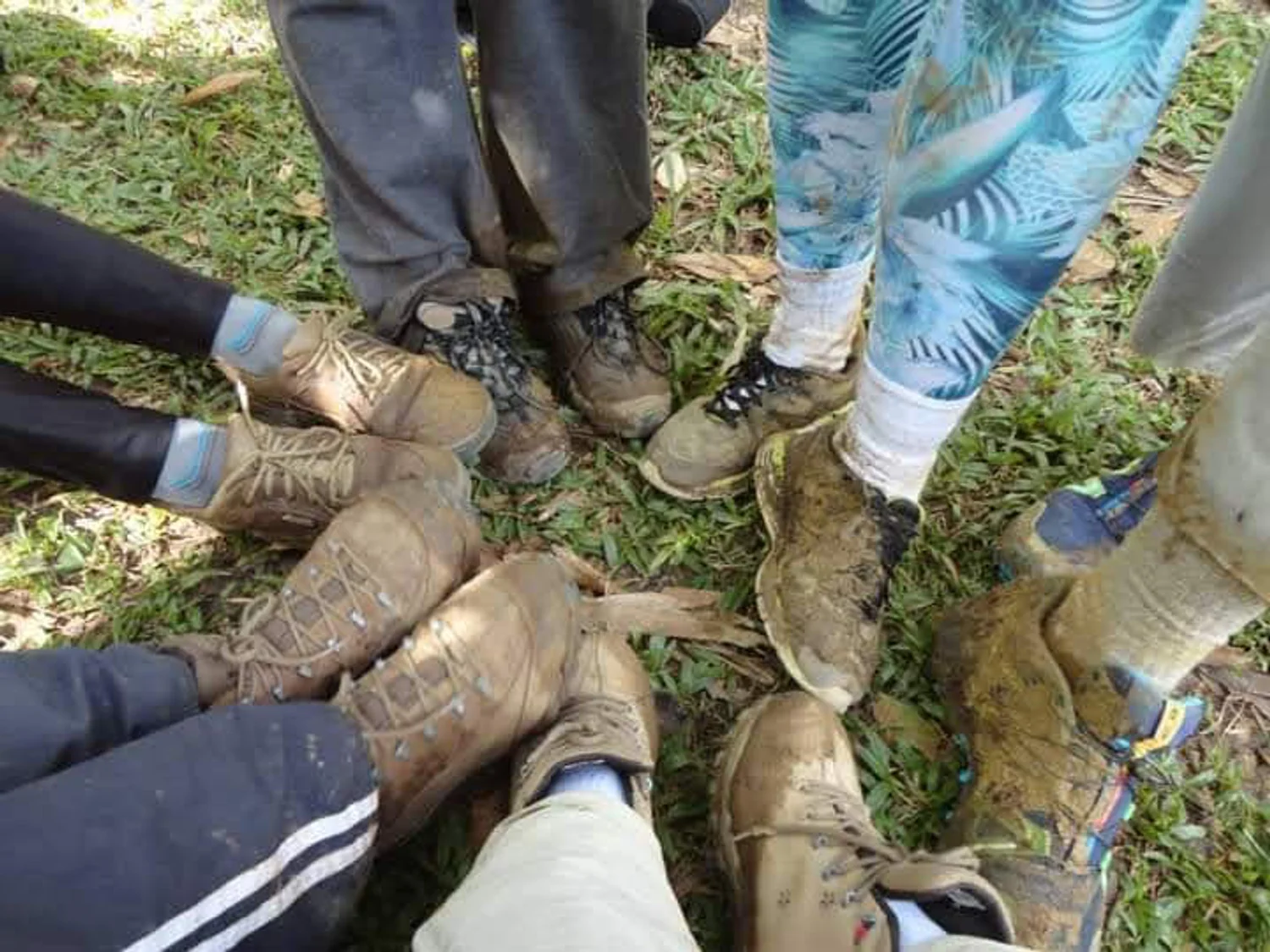
Choosing the right gear is the first step to ensuring that your adventure is a good experience, and one of the most common questions among hikers is precisely what to wear on their feet. After all, what is the best footwear for hiking?
This decision goes far beyond aesthetics or price. Many people are torn between the lightness and flexibility of sneakers or the structure and protection offered by boots. Each terrain and type of hike demands different performance from your feet, and understanding the advantages of each option is essential to avoid discomfort or even injuries from making the wrong choice of footwear for hiking!
In this article, we provide information on the topic, sharing some criteria that can help you choose the type of footwear that best fits your profile for the destinations you plan to explore.
Boots: Protection and Stability.
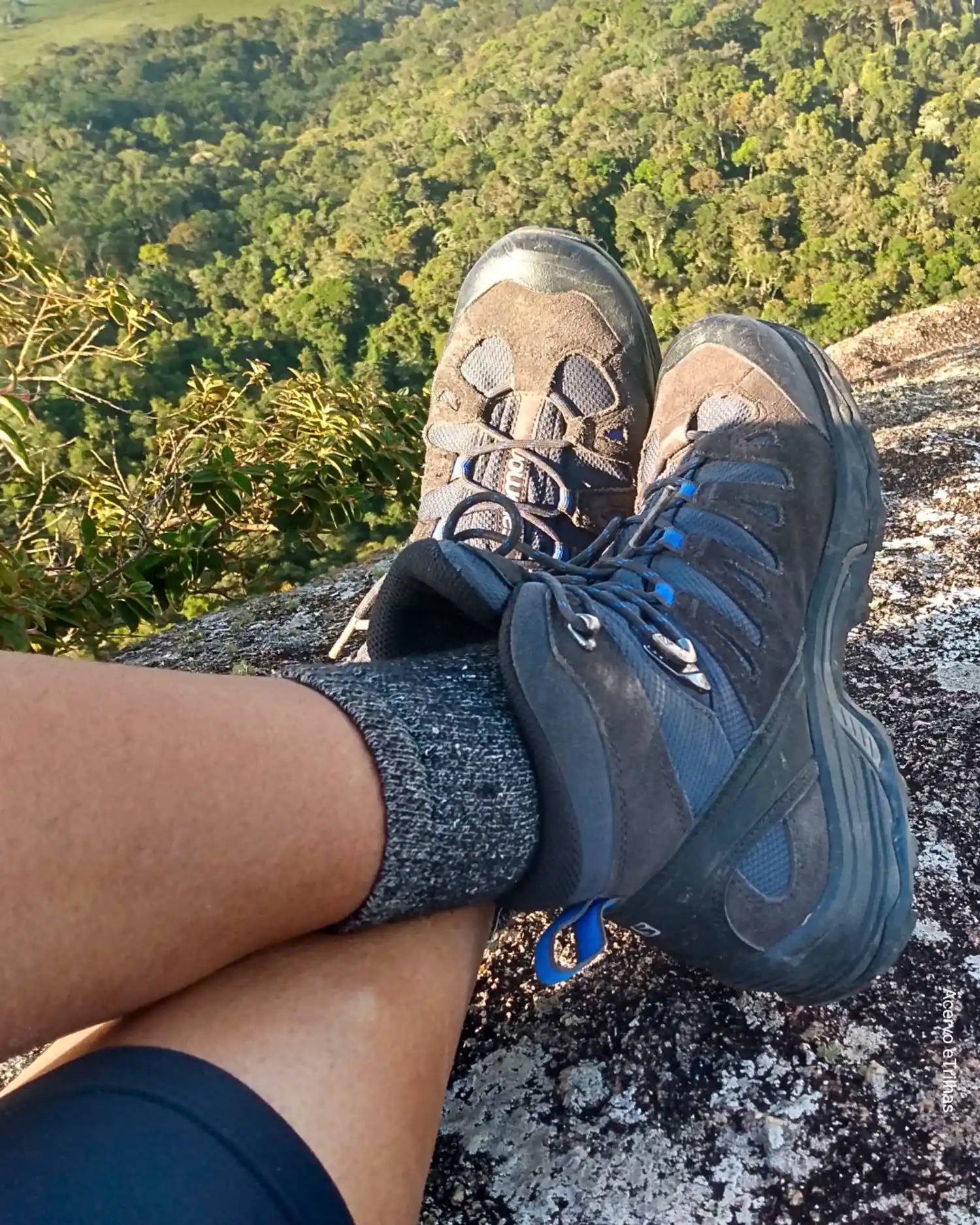
For many people, boots are considered the best footwear for hiking on more technical and uneven terrain. The main advantage is the ankle support, which helps prevent sprains on trails with loose rocks, roots, or significant elevation changes.
- Advantages: Greater protection against impacts on rocks, better thermal insulation, and generally superior waterproofing to face mud, waterlogged terrain, or stream crossings. The high shaft fits around the ankle joint, providing more stability and security;
- Ideal for: Multi-day hikes and trails, very rugged terrain, or when you are carrying a heavy backpack, which requires more stability in the joints. Small twists or turns of the feet, which we often do not notice when we are unburdened, can be exacerbated when we are overloaded, significantly increasing the occurrence of injuries.
Depending on the type of hike and the location, boots become the best footwear for hiking!
More tips on BOOTS: they can be your best footwear for hiking!
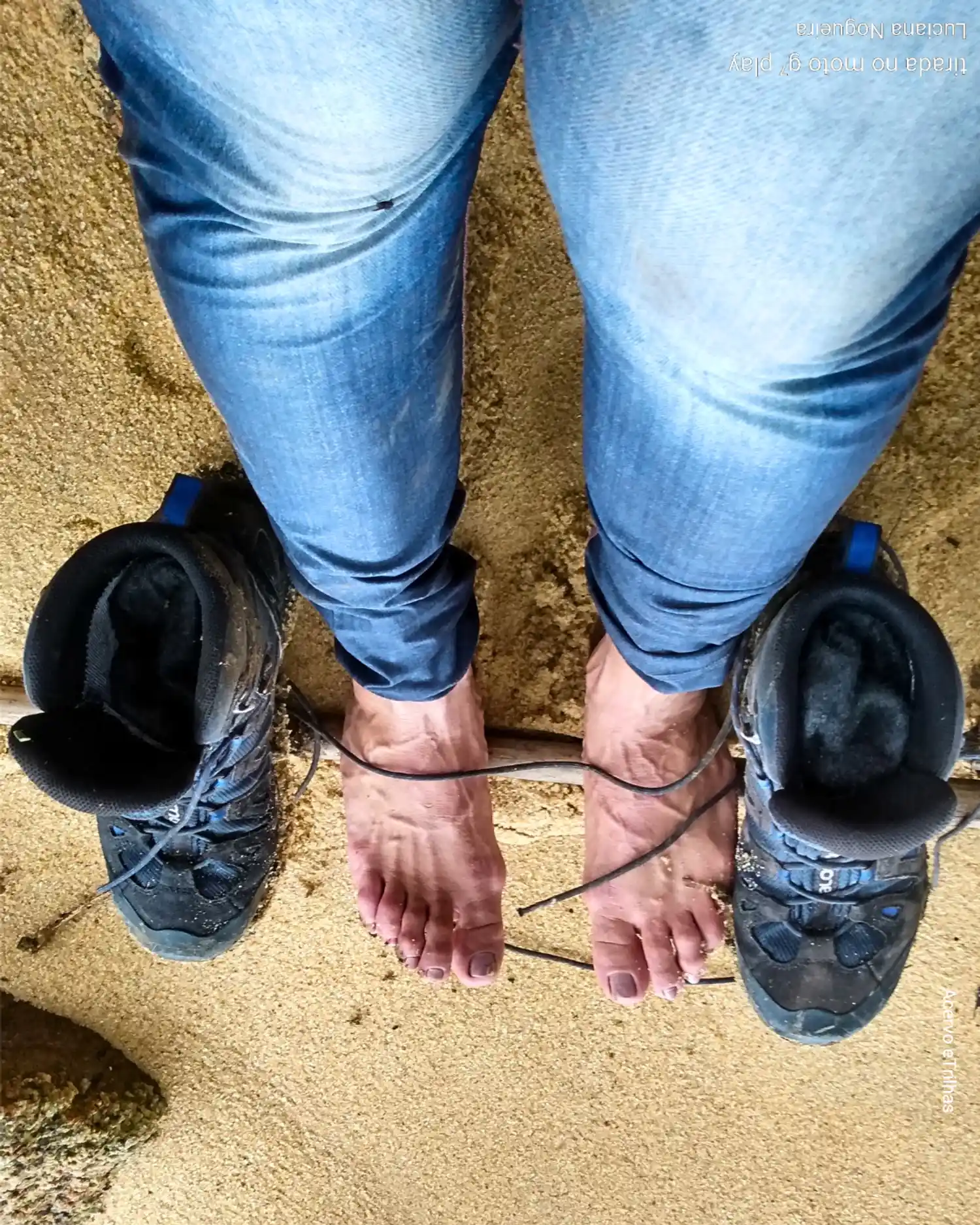
Take note of these valuable tips to choose the best footwear for hiking!
- Boots ALLOW YOU TO TIE THE LACES AT THE ANKLE, preventing the foot from sliding inside the shoe and compressing the toes at the toe box. This feature helps to avoid injuries to the toes and nails, which are quite common during long walks and descents, especially.
- In very cold places or with snow, boots are more suitable and even necessary! They provide GREATER THERMAL INSULATION, with models that have more than one protective layer and for attaching crampons. Even in Brazil's cold without snow, boots ensure warmer and more protected feet.
Sneakers: Agility and Comfort.
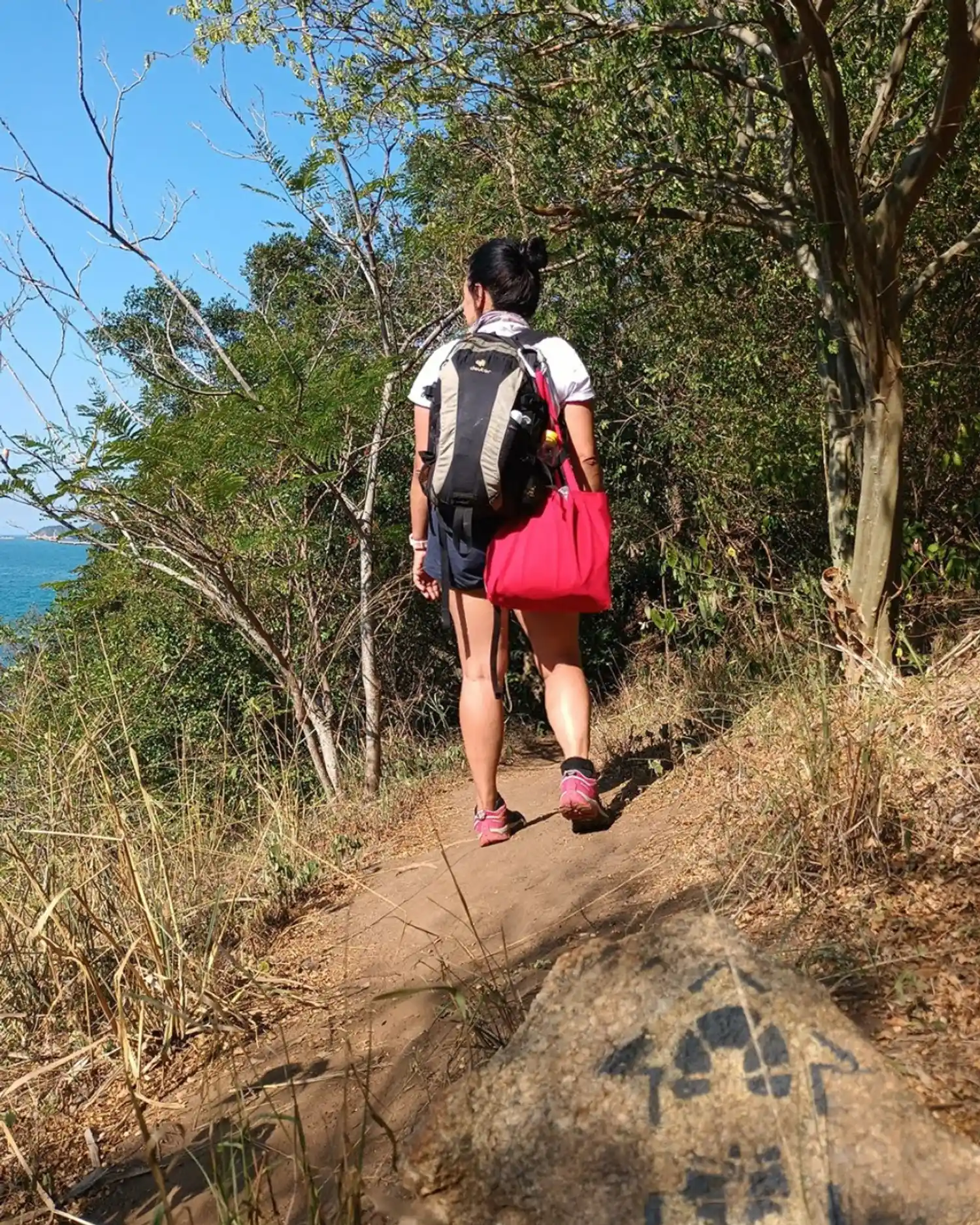
For those seeking performance and lightness, specific shoes for natural areas can be the best footwear for hiking, especially for day hikes or quick out-and-back walks. These shoes prioritize freedom of movement and breathability, making them excellent for those who prefer a softer and more natural stride.
- Advantages: They are much lighter, which reduces muscle fatigue during fast hikes, as trail shoes are made from lighter materials and provide a greater sense of closeness to the ground. Additionally, because they are made from thinner materials, they dry much faster than boots if they get soaked. Shoes have more breathability (greater than boots) since the material tends to be more porous, reducing moisture.
- Ideal for: One-day trails (attacks), dry or packed terrains, and for practitioners who already have good muscle strengthening and more stable joints.
What is the best shoe for hiking?
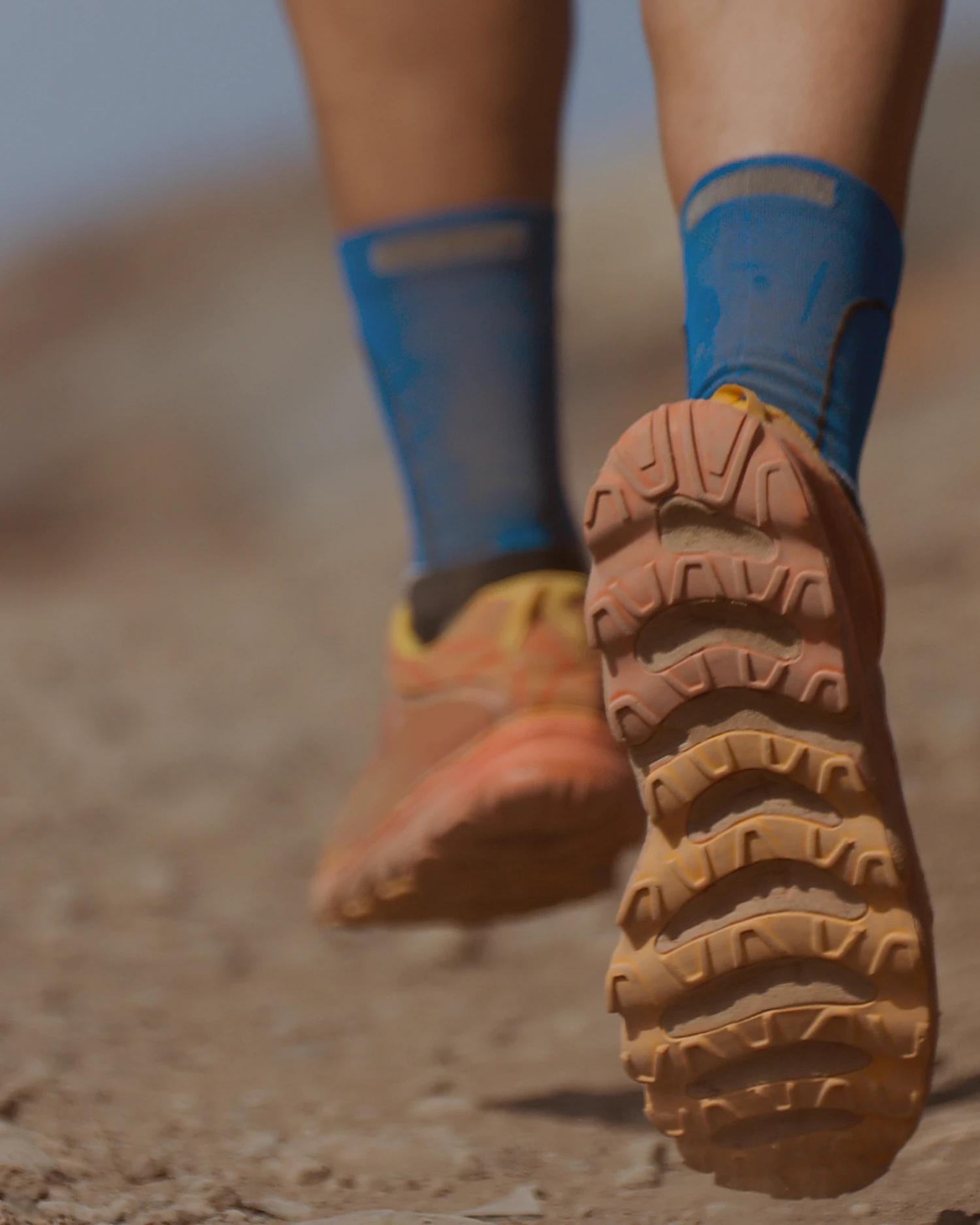
Trail shoes are designed with the consideration that you will be walking and carrying some weight in your backpack, but not too much, for several hours during the day.
They are more robust and heavier than running shoes and usually have toe protection, reinforced sides, durable materials, and stiffer soles with good grip to provide more stability during the walk.
- TIPS: although heavier than trail running shoes, they are lighter than boots. When buying the best footwear for simpler trails, pay attention to DURABILITY, where the shoes are made with durable materials and reinforced seams; WATERPROOFING, which you find in shoes with membranes that dry well (e.g., Gore-Tex); TRACTION, ensured by soles that provide good grip on various surfaces; and CUSHIONING, generated by midsoles that offer comfort and good impact absorption.
Trail Run: What is the Best Shoe for This Activity?
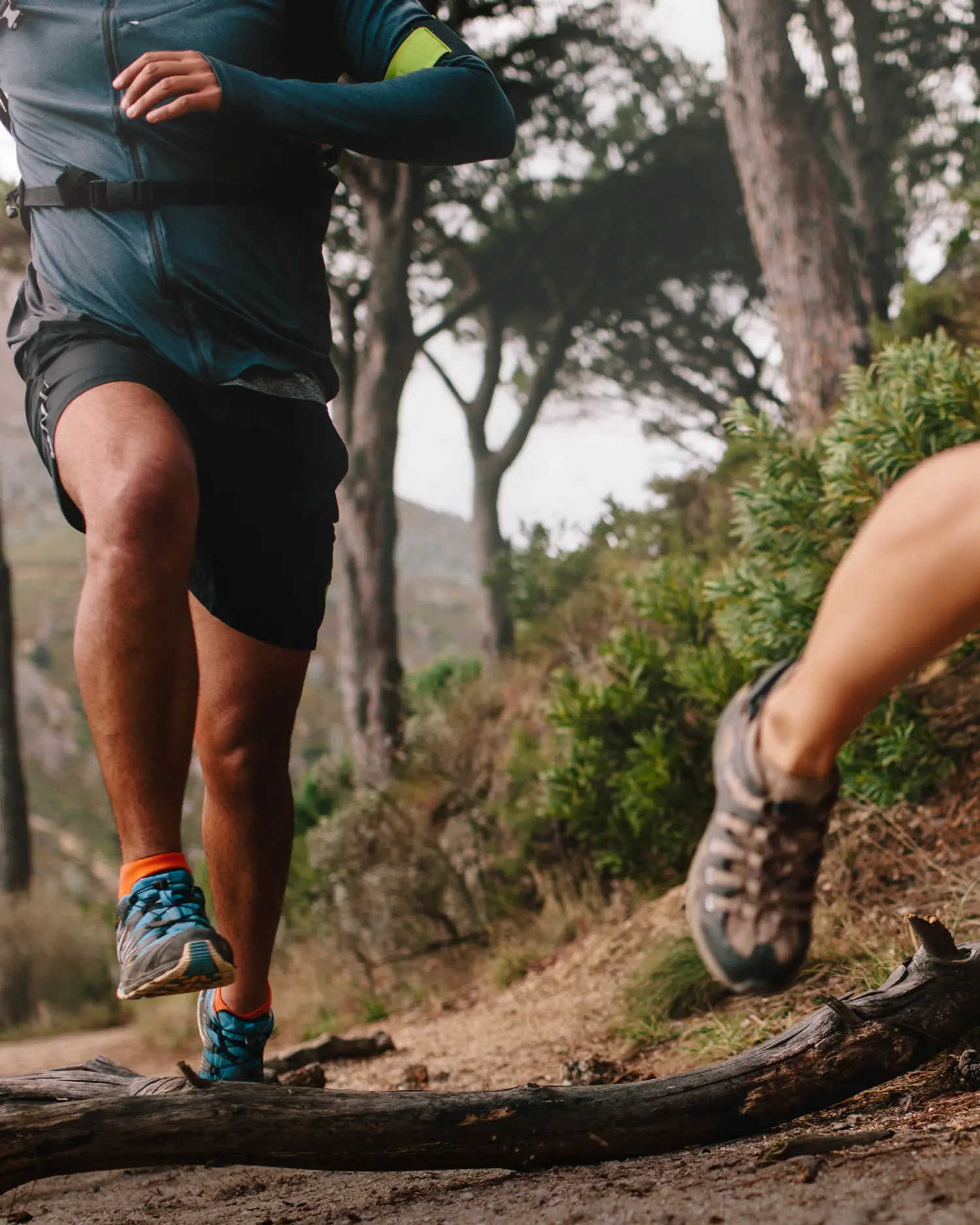
Trail RUNNING shoes are designed for you to run on dirt, rocks, mud, and uneven terrain without carrying weight during activity.
They provide lightness and agility and have soles with good grip, allowing for more safety by preventing slips during your stride, ensuring better impact absorption. Currently, there are models with technological soles that offer excellent traction, further increasing stability during trail runs!
They provide lightness and agility and have soles with good grip, allowing for more safety by preventing slips during your stride, ensuring better impact absorption. Currently, there are models with technological soles that offer excellent traction, further increasing stability during trail runs!
Millions of tips for choosing the best footwear for hiking!
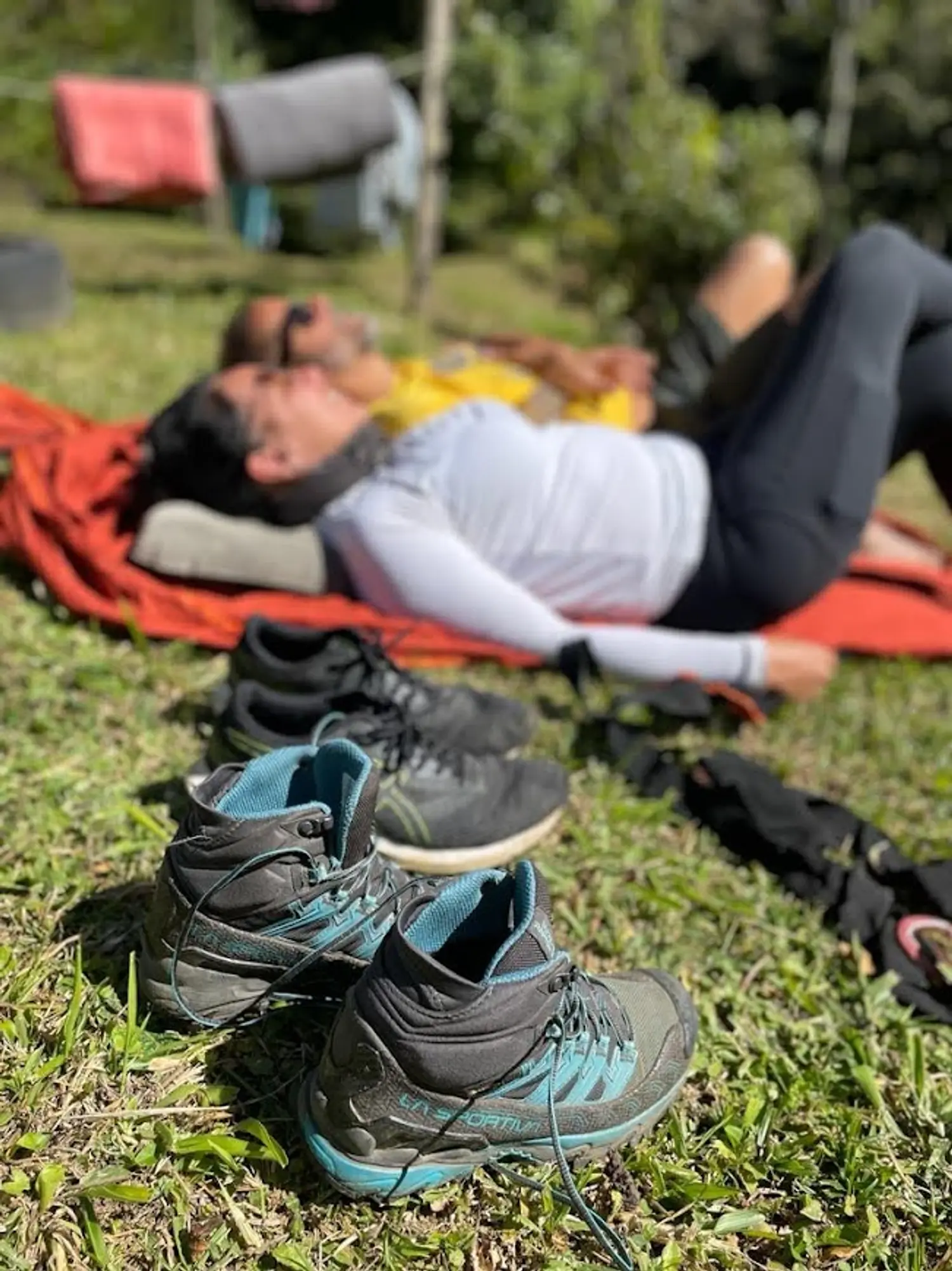
To avoid making a mistake when choosing, pay attention to these three fundamental points:
- The size rule: The best footwear for hiking should never be tight. Ideally, there should be about a finger's width of space in front (between the toes and the tip of the shoe). This allows room for the sock, which usually has some volume, and prevents your toenails from suffering or getting injured on steep descents, when the foot tends to slide forward;
- The perfect pair - socks: There's no point in investing in the best hiking footwear and wearing cotton socks. Cotton retains moisture and can promote the formation of blisters (due to friction and damp skin). Prefer specific hiking socks made of synthetic fabric (e.g., with Coolmax or those made of Merino wool), which manage sweat and provide extra cushioning;
- Field test: Never break in new footwear directly on a trail. Break them in by wearing them on short walks, on flat and slightly uneven terrain, or in your daily life (going to work or for leisure) so that the material molds to your foot and you can identify any potential friction points before heading out on more technical trails, crossings, or mountains.
Knowing where you're going = choosing the best footwear for hiking!
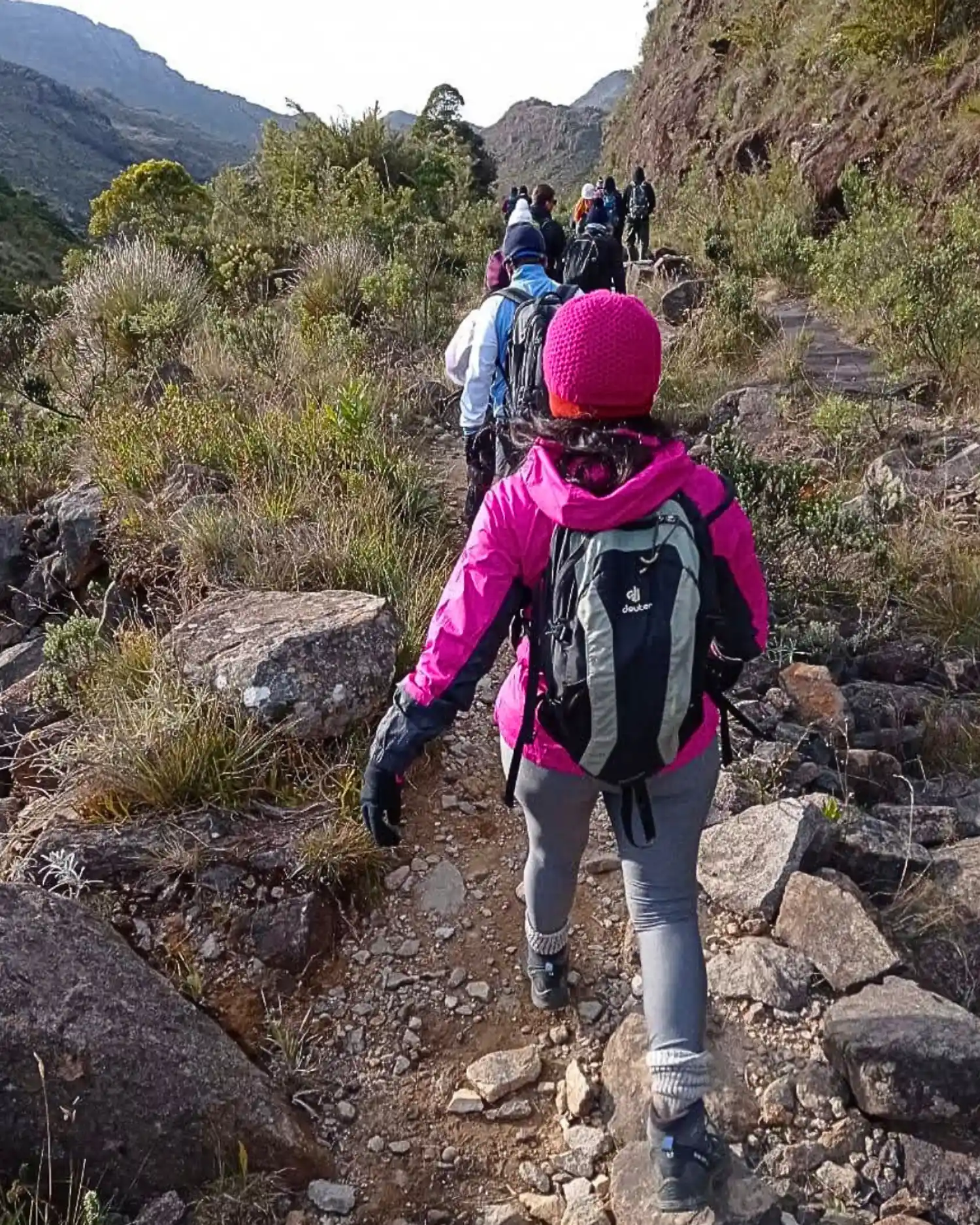
The golden tip is: KNOW THE TYPE OF TRAIL YOU'RE GOING TO HIKE!
Is it short, long, with very rugged terrain or more regular, a round trip or a crossing that takes many hours or days of walking?
Now, you have all the conditions in hand to choose the footwear that suits you best! There is no single answer to what is the best footwear for hiking; rather, it is about finding the ideal footwear for your goal. If your focus is protection and heavy loads, boots win. If the priority is performance and lightness on simpler trails, sneakers take the lead.
Happy hiking!