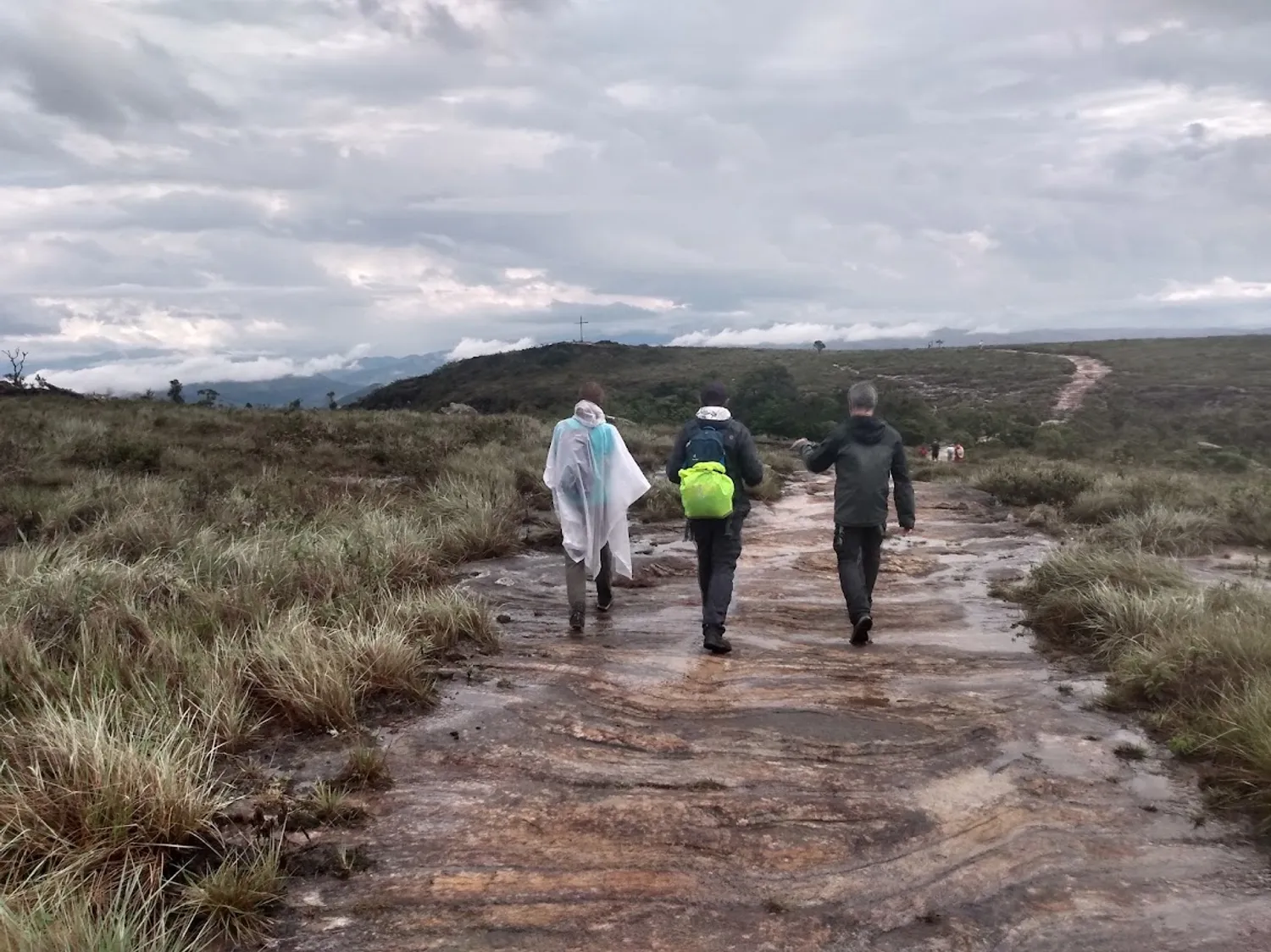
Lightning and electric storms on the trail: how to prevent and act safely?
Planning an outdoor adventure requires attention to the weather, as facing lightning and electrical storms on the trail is one of the greatest risks for hikers and mountaineers. When the sky darkens and the first thunder rumbles, knowing how to protect yourself and where to seek shelter can make the
Brazil is the country with the highest incidence of lightning in the world, recording about 50 million electrical discharges every year. Despite this alarming fact, it is common for outdoor enthusiasts to ignore weather alerts, treating the risk as a distant possibility.
In practice, ignoring lightning and electrical storms on the trail is like driving at high speed in heavy rain: the accident may not happen today, but the probability increases significantly with every minute of exposure. The central point of safety in natural environments is not to eliminate risk completely, which is impossible, but rather to focus on three fundamental pillars:
Understand the severity of electrical discharges;
Anticipate climate changes;
Manage your exposure to danger with prevention strategies.
Don't let bad weather compromise your experience: prepare to hike with awareness and protection.
Trail Safety: How to Read Danger Signs and Anticipate Risks?
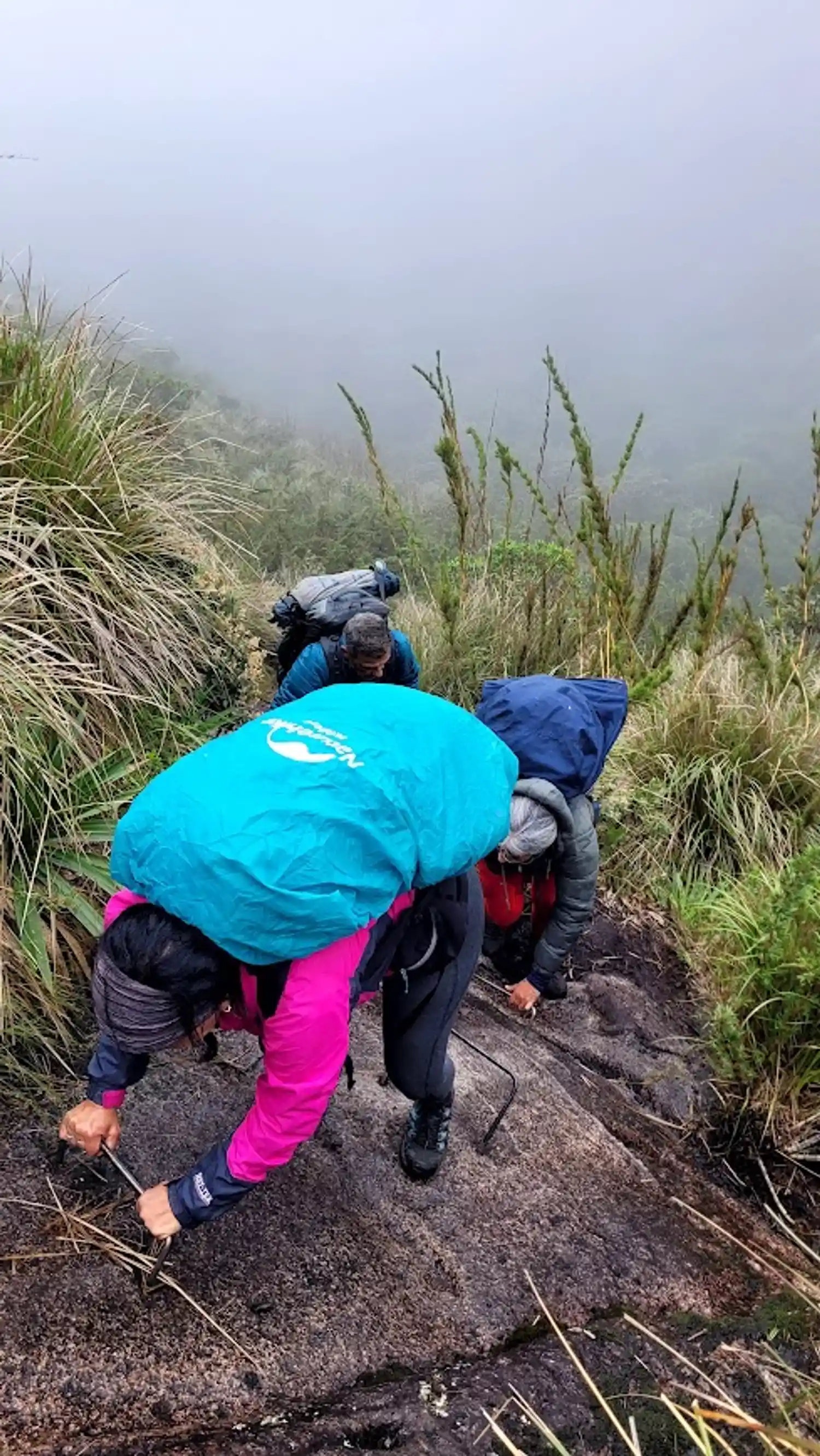
In nature, almost nothing is a surprise! There is a common misconception that critical events in natural environments, such as lightning and electrical storms on trails, are unpredictable. However, in most situations, danger signs are present and can be interpreted.
To ensure safety in outdoor activities and avoid the consequences that lightning and electrical storms can cause during the hike, it is essential to identify common risk indicators, such as:
Electrical instability and the formation of charged clouds;
Sudden increase in wind and sharp temperature variations;
Changes in group behavior and signs of exhaustion.
These factors not only anticipate scenarios of accidents, lightning, and electrical storms on the trail but also should guide the operational decisions of the guide, the practitioner, or the group. The central issue, therefore, is not the lack of information but the ability to read the environment and respond quickly to nature's alerts.
Risk Management: Why Do Accidents with Lightning and Electrical Storms Happen on the Trail?
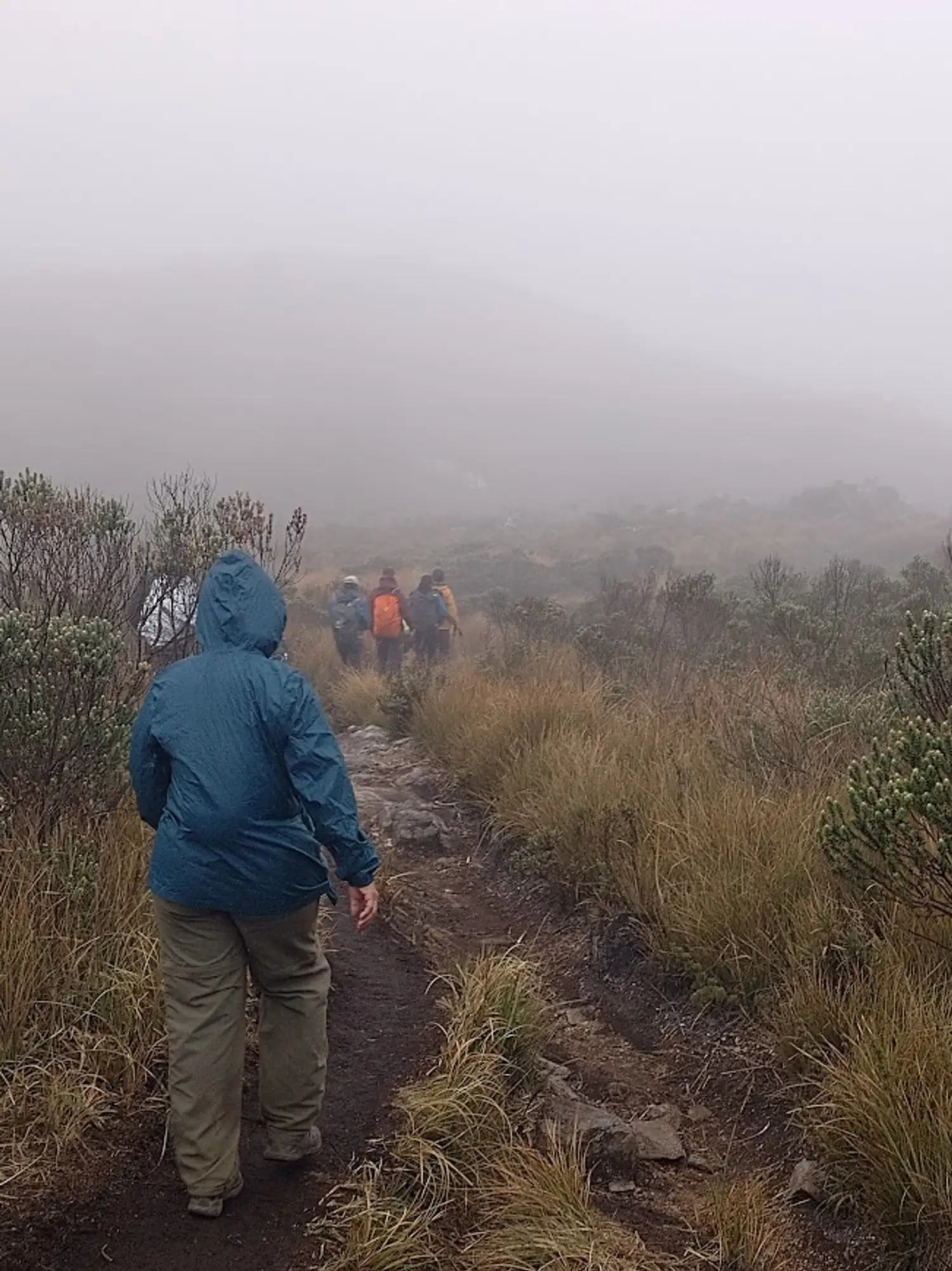
When analyzing incidents in outdoor activities, a pattern repeats itself: rarely is the problem nature itself. In the case of lightning and electrical storms on the trail, the environment reacts predictably, but human failures are what often pave the way for danger.
The most common failures that increase vulnerability to electrical discharges are associated with three factors:
Insufficient planning: Not checking the incidence of lightning in the area or ignoring the weather forecast.
Absence of protocols: Not knowing how to act or where to take shelter when a storm begins.
Risky decisions: Choosing to head for the summit or continue in open areas even with clear signs of heavy rain.
Continuing the hike under lightning and electrical storms on the trail, when the scenario has already indicated the need for a pause, is not a technical error; it is a choice. In risk management, understanding that our decisions determine our safety is what separates an experienced hiker from an exposed beginner.
Planning and safety: how to prepare for lightning and electrical storms on the trail
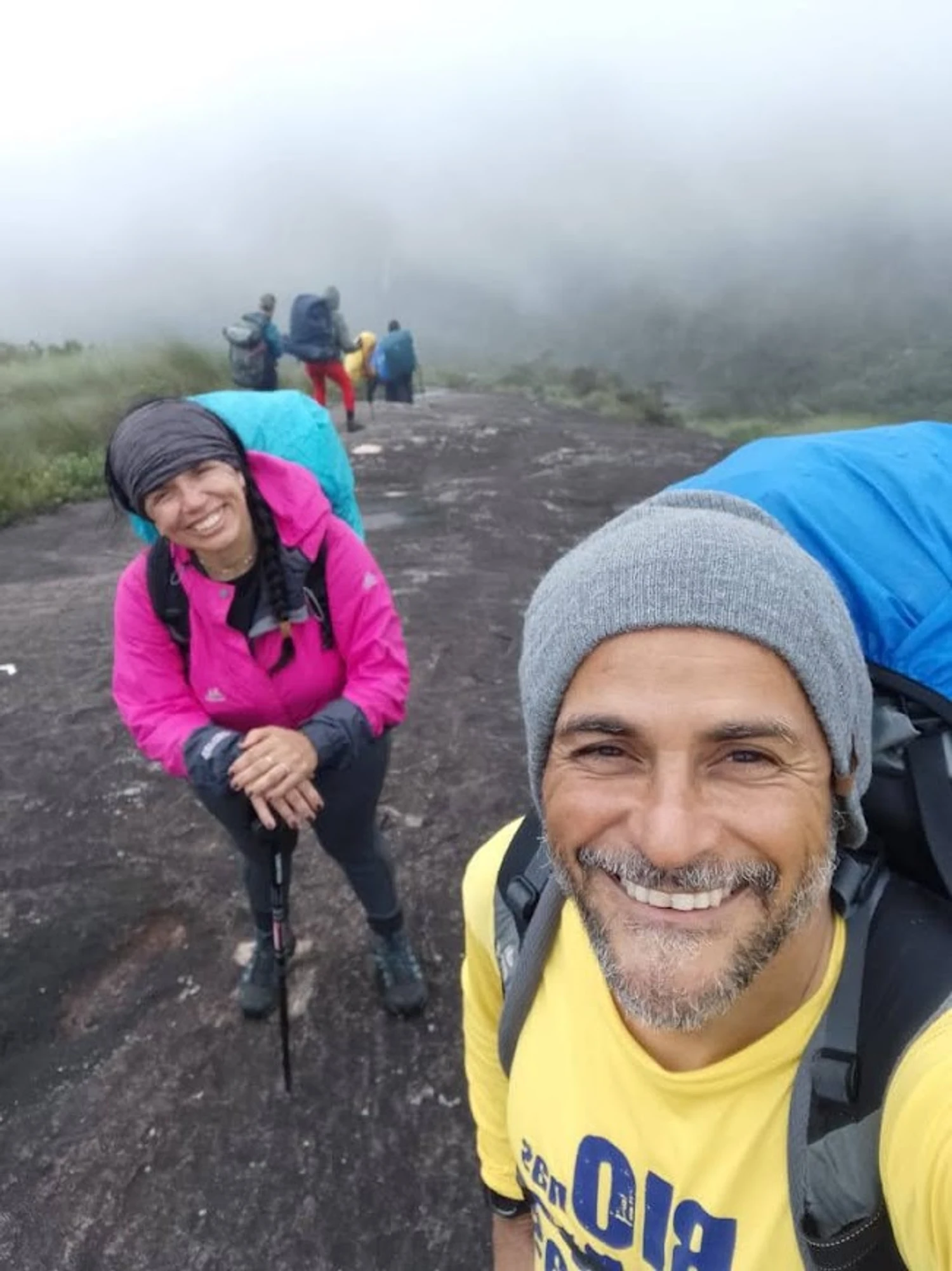
A safe operation begins long before stepping onto the trail. To avoid surprises with lightning and electrical storms on the trail, good planning should be based on three fundamental elements:
Continuous monitoring: Don’t rely solely on the forecast from the previous day. Monitor conditions in real-time using radar and weather alert systems.
Evacuation plan: Where should the group go if the weather turns bad? This answer needs to be clear, feasible, and defined even before departure.
Cut-off points or Decision Triggers: Establish objective criteria for stopping the activity. Without this, the tendency is to postpone the decision, which drastically increases exposure to risk.
And how do guiding professionals in natural areas manage this scenario? In practice, risk management for lightning and electrical storms on the trail follows a strict operational logic to ensure everyone's safety: Active alert: Constant vigilance of meteorological data and the signs that nature itself provides (clouds, wind, and temperature);
Defined protocol: At the first critical sign, such as the sound of thunder, the activity must be stopped immediately;
The 30-30 Rule: If the interval between lightning and thunder is less than 30 seconds, the risk of a lightning strike is immediate. Seek shelter immediately. Return to activity only 30 minutes after the last thunder is heard.
These guidelines are not exaggerated or conservative: they are strictly proportional to the risk that electrical discharges represent in open environments.
Safety and prevention: how to control your exposure to lightning and electrical storms on the trail
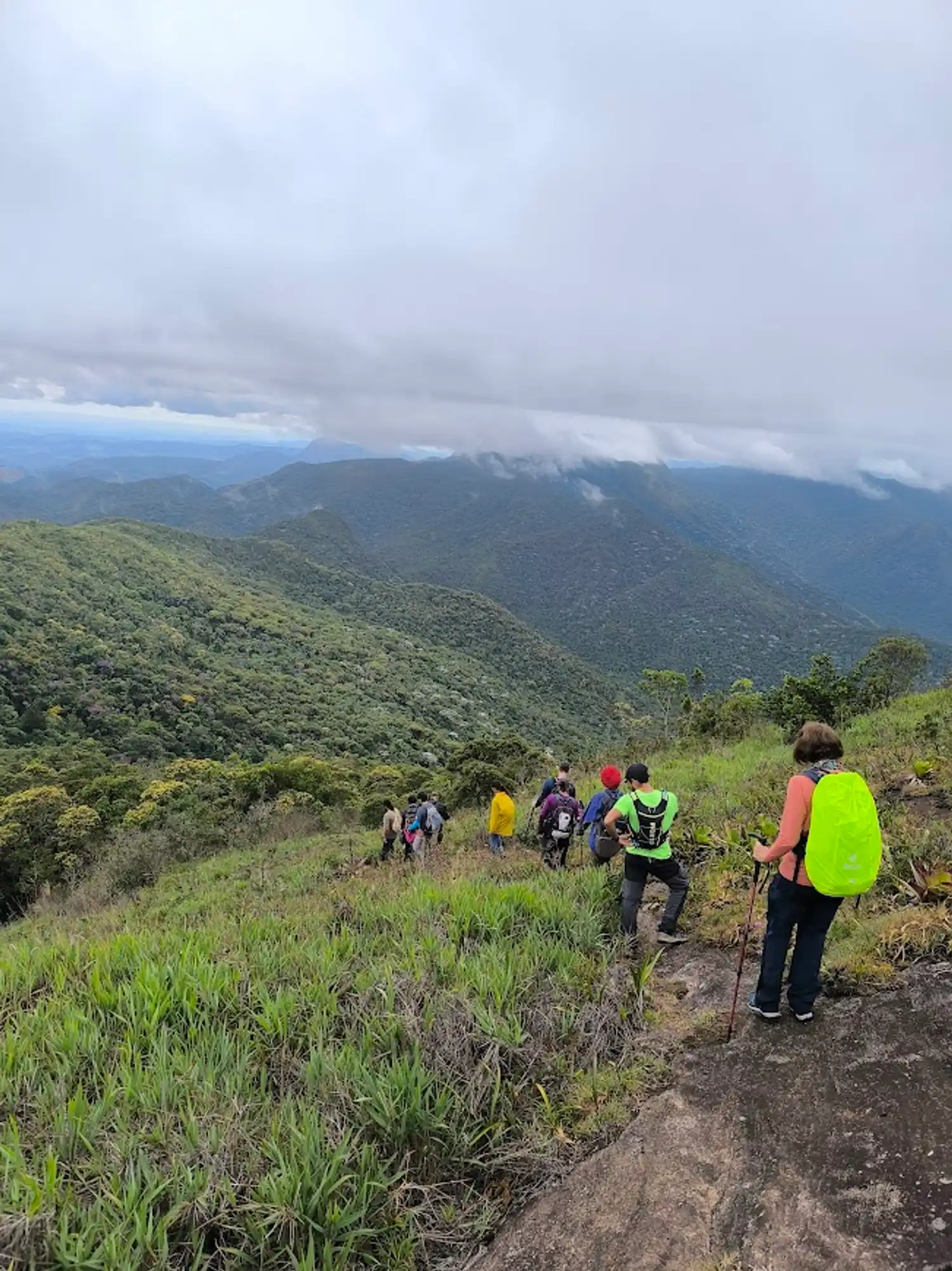
There is a fundamental principle that summarizes all safety management in natural environments: we do not control the phenomenon, we control our exposure to it. Lightning and electrical storms on the trail, as well as sudden climate changes, will continue to occur regardless of our will. What is truly under our command is how we expose ourselves to these events.
To minimize the risks of accidents from electrical discharges, the success of the activity depends on three pillars:
Strategic planning: Knowing where you will be when the risk increases.
Scenario reading: Identifying the signs of nature before the storm arrives.
Decision-making: Having the discipline to stop or turn back when safety limits are reached.
In practice, prevention to avoid lightning and electrical storms on the trail is not about being lucky with the weather, but about managing your presence in the right place at the right time.
Safety on the trail is awareness, not luck.
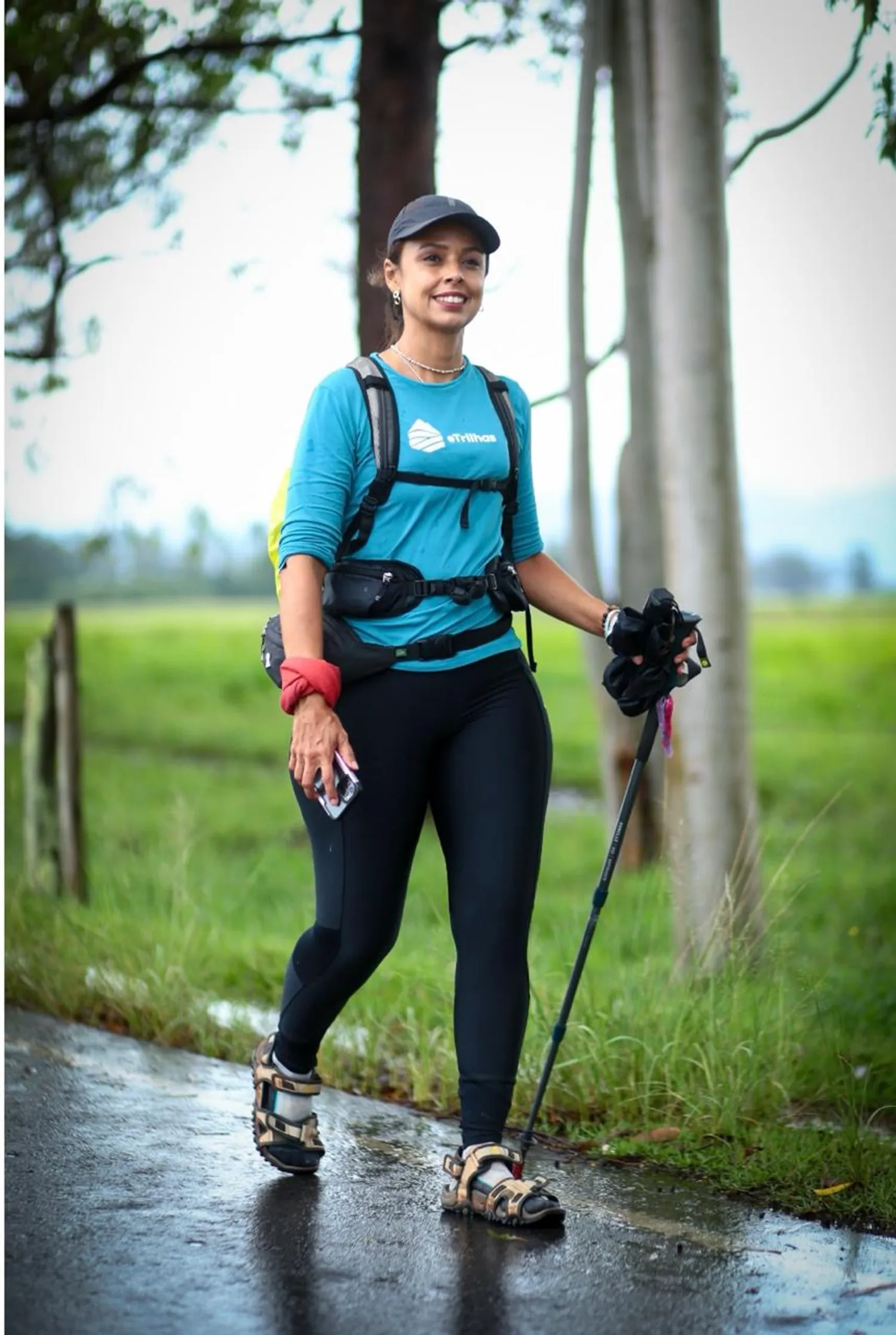
Many believe that a safe adventure is one where "nothing happened," but the truth is different. Truly safe activities are those where risks, such as lightning and electrical storms on the trail, among others, have been anticipated, assessed, and managed with awareness.
Safety is not a random outcome or a stroke of luck; it is a continuous process that requires attention and technique. Knowing when to advance and when to retreat in the face of potential risks is what defines a responsible practitioner. In natural environments, safety is a daily practice and, above all, a shared responsibility among all group members.
Happy hiking!
Written by: Pollyana Pugas, Specialist in Risk Management and Safety in Nature Tourism and Adventure Tourism.